Submittals in the format the architect expects
Product data and color samples go to the GC for the architect's review before we mobilize, so the finish schedule is approved before the first wall is primed.

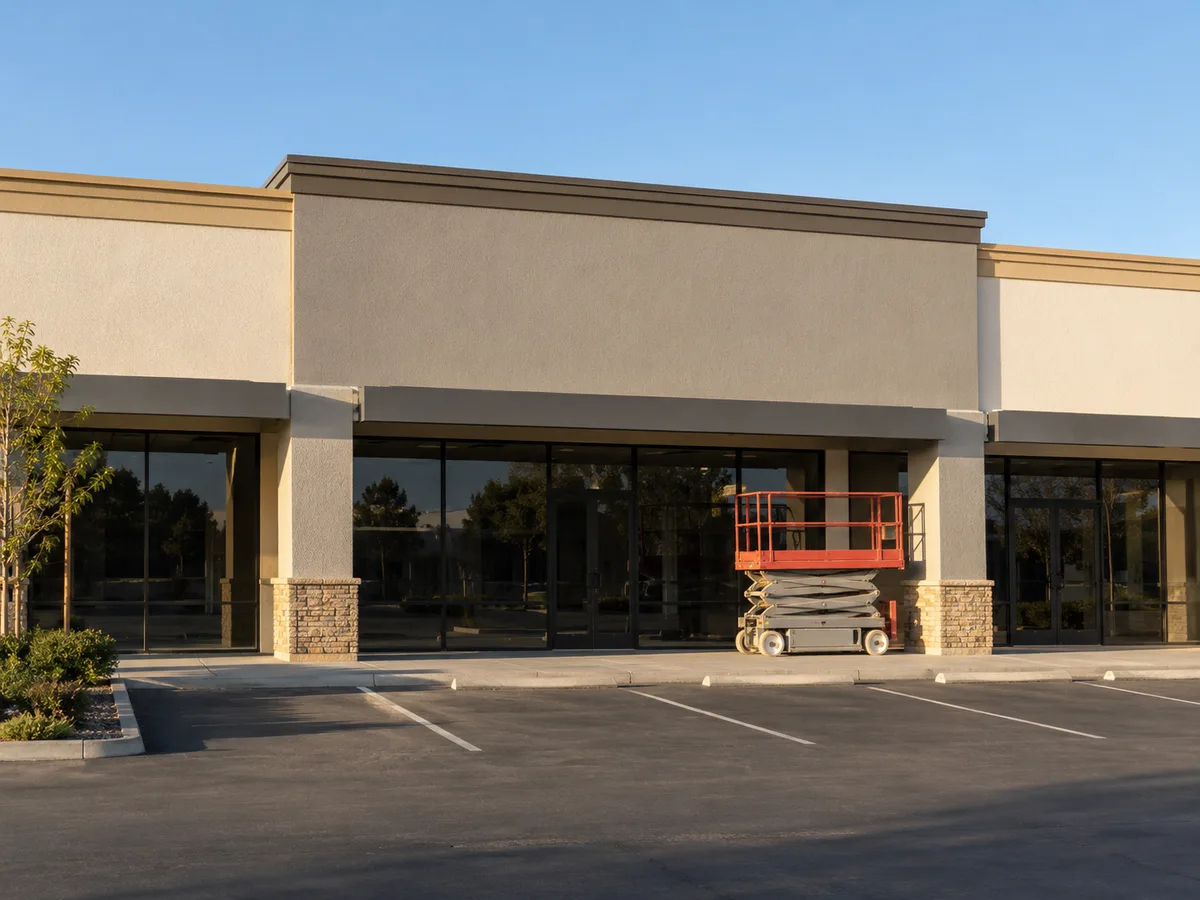
Torrance Expert Painting is a trusted Los Angeles County specialist in office painting in Torrance, CA, specializing in occupied office repaints, medical suite painting and tenant improvement painting for building owners, practice managers and TI general contractors. We offer after-hours phasing and low-odor, low-VOC product selection.
Our team provides room-by-room finish schedules matched to how each space is used, delivering floors that open on time each morning for both residential and commercial projects. We write the schedule floor by floor, submit product data sheets to your manager or GC before work starts, and walk a punch list with them before the suite is turned over.
From masking a reception desk at close of business to repainting a full corporate floor, our team handles every detail. Serving Torrance, Redondo Beach, Rolling Hills Estates and Palos Verdes Estates, we work around the hours your tenants, staff and patients keep.
Why Torrance Expert Painting
No salesperson hands you to a stranger. The person who measures the job answers for it.
Occupied office painting in Torrance is done after hours or in phases, with low-odor products, so the people who work there return to a finished room rather than a wet one. Nobody should have to take a call next to a roller.
Paints are one of the common sources of volatile organic compounds indoors, and the federal indoor air guidance is to increase ventilation when using products that emit them. That shapes the plan. We choose low-odor, low-VOC finishes from product data, run the building's air handling or portable fans during and after the work where the building allows it, and finish a room early enough in the night for it to air out before morning.
Medical suites raise the bar. Infections acquired in healthcare settings can spread through contaminated equipment and surfaces, so exam rooms, procedure rooms and hallways are planned with the practice manager around patient schedules, with dust from patching contained and every surface left wipeable. Torrance has two major hospitals, Torrance Memorial Medical Center beside Zamperini Field and Little Company of Mary Hospital, plus the medical offices that cluster around them. They are named here only as part of the city's healthcare stock, never as clients.
Tenant improvement painting is one trade inside a general contractor's schedule, so its price and its dates are tied to that schedule rather than to the paint. In commercial leasing, a landlord often pays toward tenant improvements to win or keep a tenant, and the buildout that follows runs on a fixed move-in date. The painter's window sits between drywall finishing and flooring, casework and ceiling grid. If drywall runs late, painting gets compressed; if the flooring crew is waiting, every day the walls are not finished costs the job. We price TI work to the GC's sequence and carry our dates from it.
Product data and color samples go to the GC for the architect's review before we mobilize, so the finish schedule is approved before the first wall is primed.
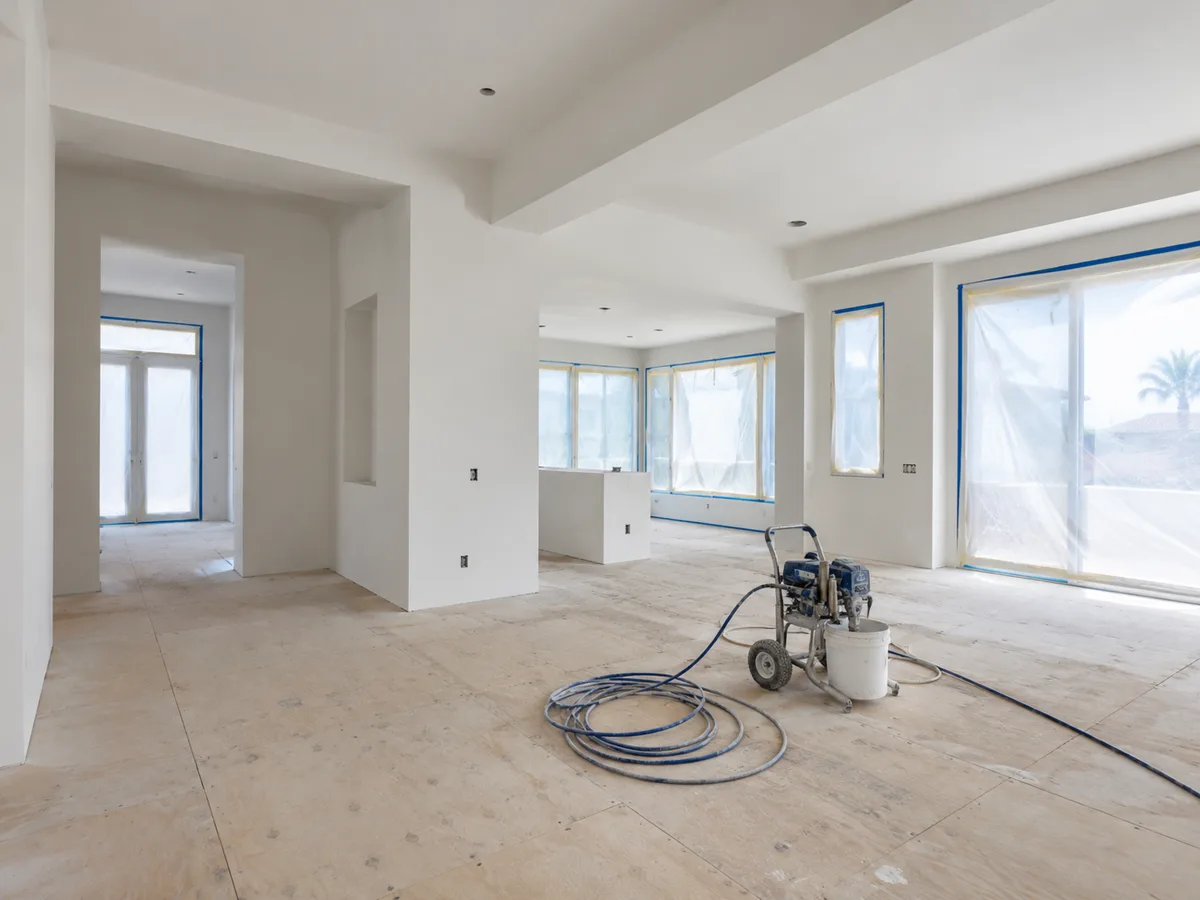
New drywall is primed to seal it before finish coats. A final coat after other trades finish is planned as its own mobilization, because a touch-up trip after flooring and millwork is part of every TI and belongs on the bid.
Our punch items are closed before the GC's walk, so painting is not the trade holding up the certificate of occupancy.
Washable, scrubbable finishes are chosen per room by how that room is used, not one sheen for the whole floor. Sheen is set by how much binder the paint carries: more binder gives a smoother surface that reflects more light and wipes clean more easily, less binder gives a flat look that hides wall flaws.
Eggshell or a low-sheen matte on walls, where the room is lightly used and a flat look keeps the lighting soft on screens.
Satin or a washable matte rated for scrubbing, since carts, chair backs and shoulders hit these walls all day.
Semi-gloss or satin with moisture resistance near sinks, so cleaning does not burnish or lift the finish.
A durable, cleanable finish selected with the practice manager against the cleaning products the staff actually use, confirmed from the product data before the submittal goes in.
A harder enamel on surfaces touched by hands, carts and wheelchairs, so they hold up between repaints.
Office, medical and TI painting in Torrance is typically estimated at roughly $15,000 to $120,000 per project, a budgetary band for this work across the market, with after-hours labor and the finish schedule moving the number most.
Every figure here is a budgetary estimate that can change with the space, the hours and the finish schedule; the final price is the one in the written bid after the walk or the plan review. Send the floor plans, the suite count or the TI drawings and your target dates, and the bid comes back phased to them.
The schedule is written by floor or suite and agreed with your manager or GC before work starts, with the start date and duration on the bid. Notices are drafted for your manager to send, telling tenants which rooms close on which night and what to clear from desks and walls.
Torrance holds a large office base: the US headquarters of Honda and Acura, the US offices of All Nippon Airways, and offices of many other Japanese companies, some in the automotive industry. They are named only as what the city contains, never as clients, and a suite in any of these buildings is bid the same way: walk or plan review first, then a phased schedule.
Closeout is a punch list walked with your representative, a record of every product, sheen and color by room, labeled leftover paint for touch-ups, and the written warranty.

The process
Four steps, and nothing is painted until you have approved the scope and the colors.
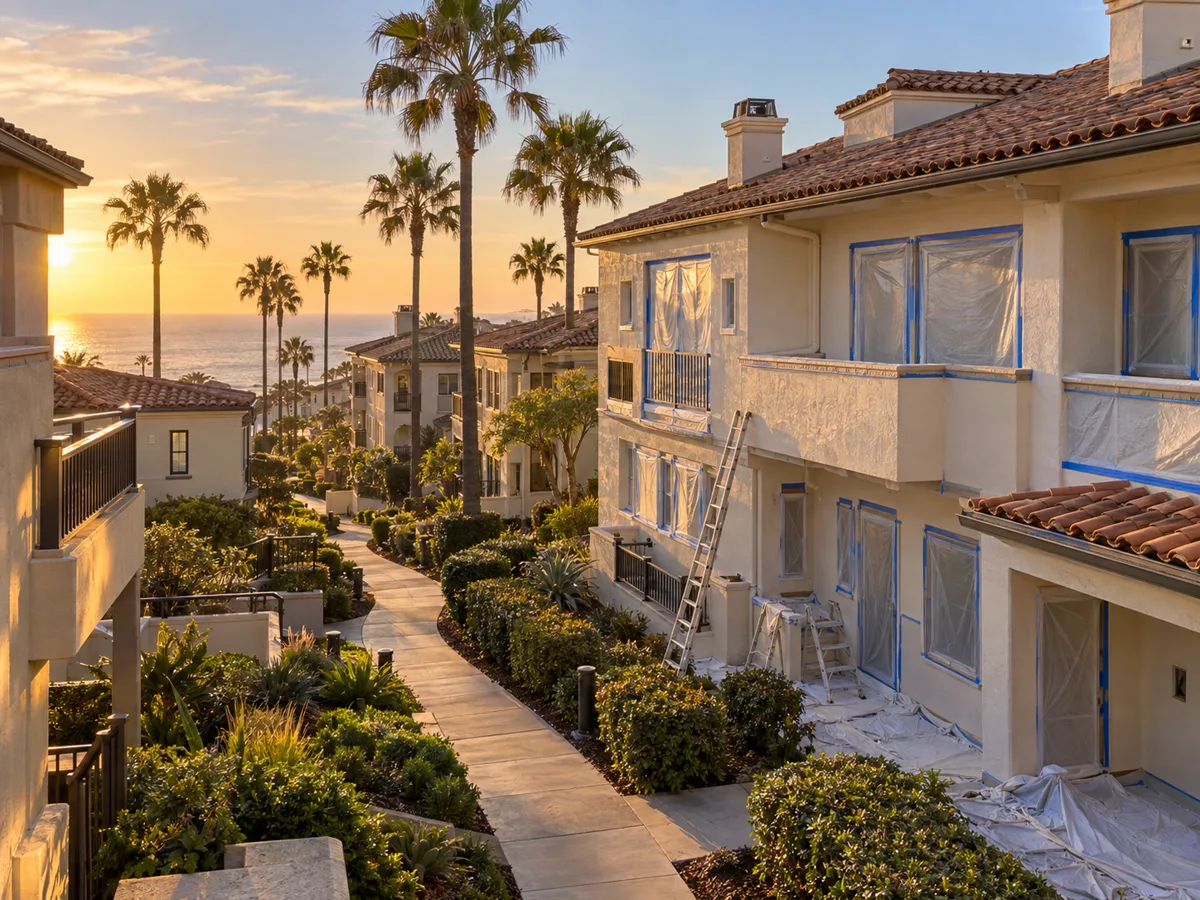
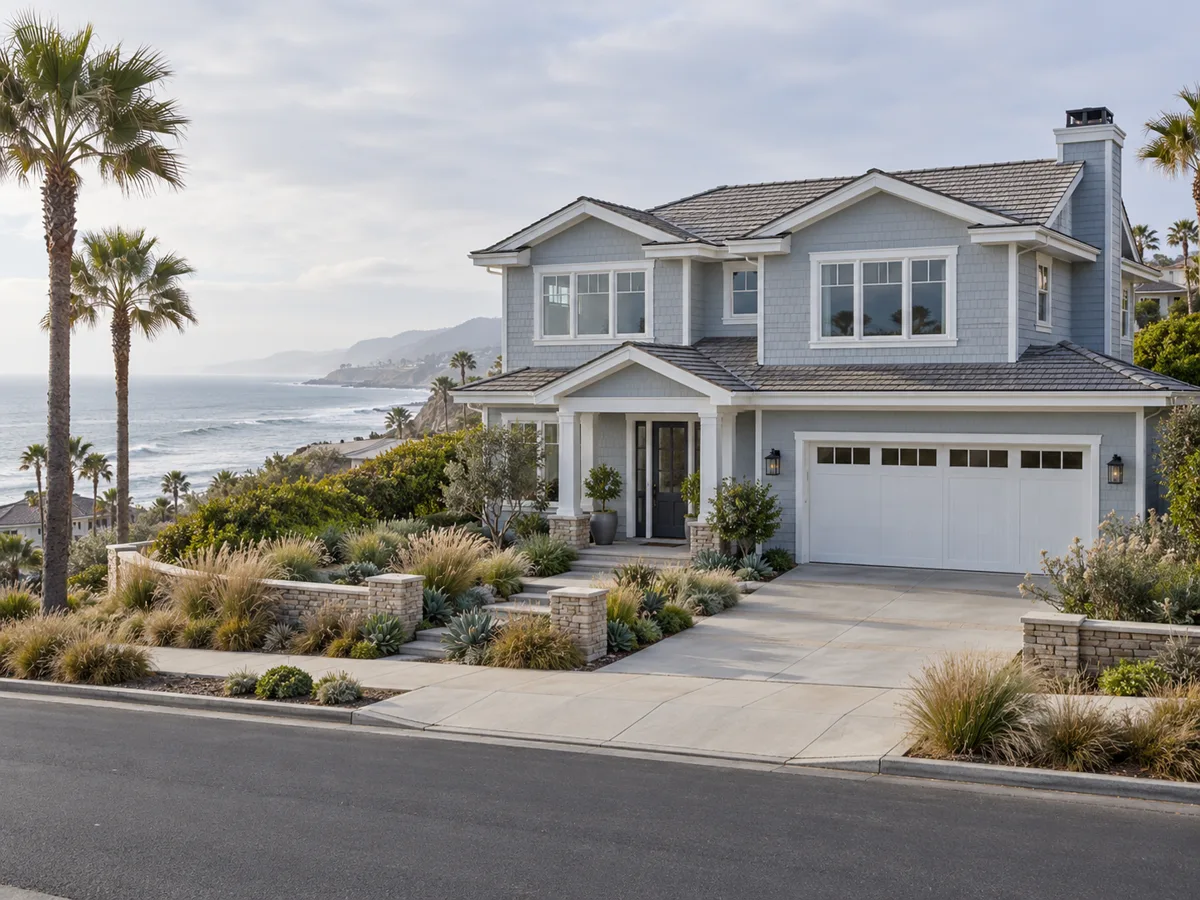
We walk the house or property with you, look at the stucco, the trim and the old coating, and note what the sun, the salt air and the marine layer have done to each side.
You get the prep, the products, the colors and the dates in writing. For an association or a building, the scope is phased so residents and tenants know which day is theirs.
Washing, scraping, patching and caulking come first, because that is what the paint holds on to. Then primer where it is needed and the finish coats.
We walk it again with you before we call it done, and touch up anything you point at.
Service area
Questions
Yes. Work runs after hours or on weekends in phases you approve, with low-odor products, and each room is clean, aired and set back up before staff return. Shared areas such as lobbies and elevators are scheduled into their own windows.
Yes, around the patient schedule. Exam and procedure rooms are planned with the practice manager, dust from wall repairs is contained, and finishes are chosen to stand up to the cleaning products the staff use.
Paints are a known indoor source of volatile organic compounds, so lower-VOC products and good ventilation cut the smell and the irritation people notice. In this air district, architectural coatings are sold under VOC content limits set by South Coast AQMD Rule 1113, and we pick products from their data sheets.
Yes. We bid to your drawings and finish schedule, submit product data through you, carry our dates from your sequence and close our punch items before your walk.
Light furniture is moved away from walls and returned. Computers, servers and anything with cables are covered in place, or moved by your IT or facilities team, so nothing is unplugged without your people present.
Corridors usually take a satin or a scrubbable matte, break rooms and restrooms a satin or semi-gloss with moisture resistance. The finish schedule on the bid names a sheen for every room so you approve it before the work.
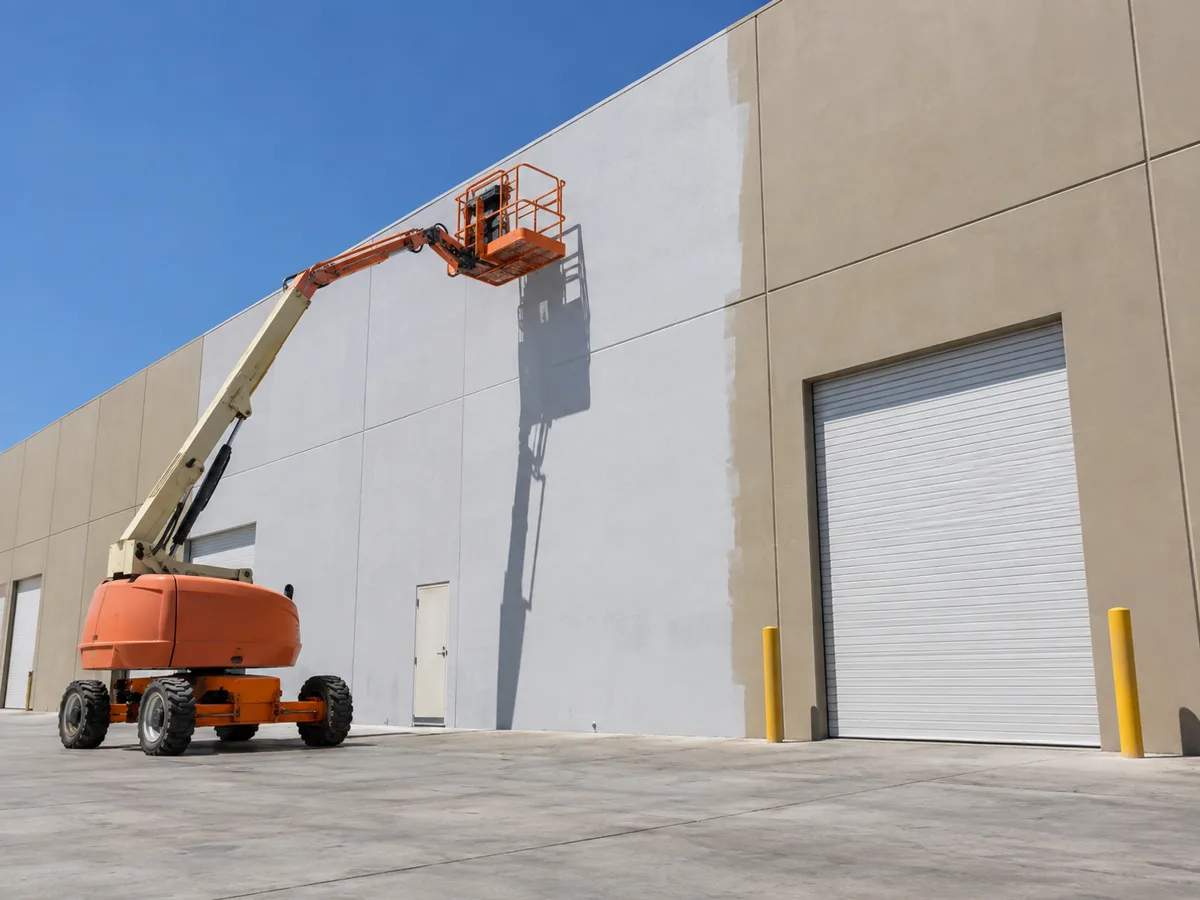
Yes. Exterior stucco, concrete and trim on an office or medical building are bid as a separate phase, with entrances kept open and patient drop-off areas worked early or late. The exterior is scheduled so it never closes the same door the interior phase is using that night.
Floor by floor or suite by suite, written on the bid with the start date and expected duration. Tenants get notices drafted for your manager, and each floor is turned back over before the next one opens.
Homeowners get a free on-site estimate. Boards, managers and contractors can send a scope for a bid.
Licensed, insured and bonded · License #585047. Calls only, we do not receive text messages.