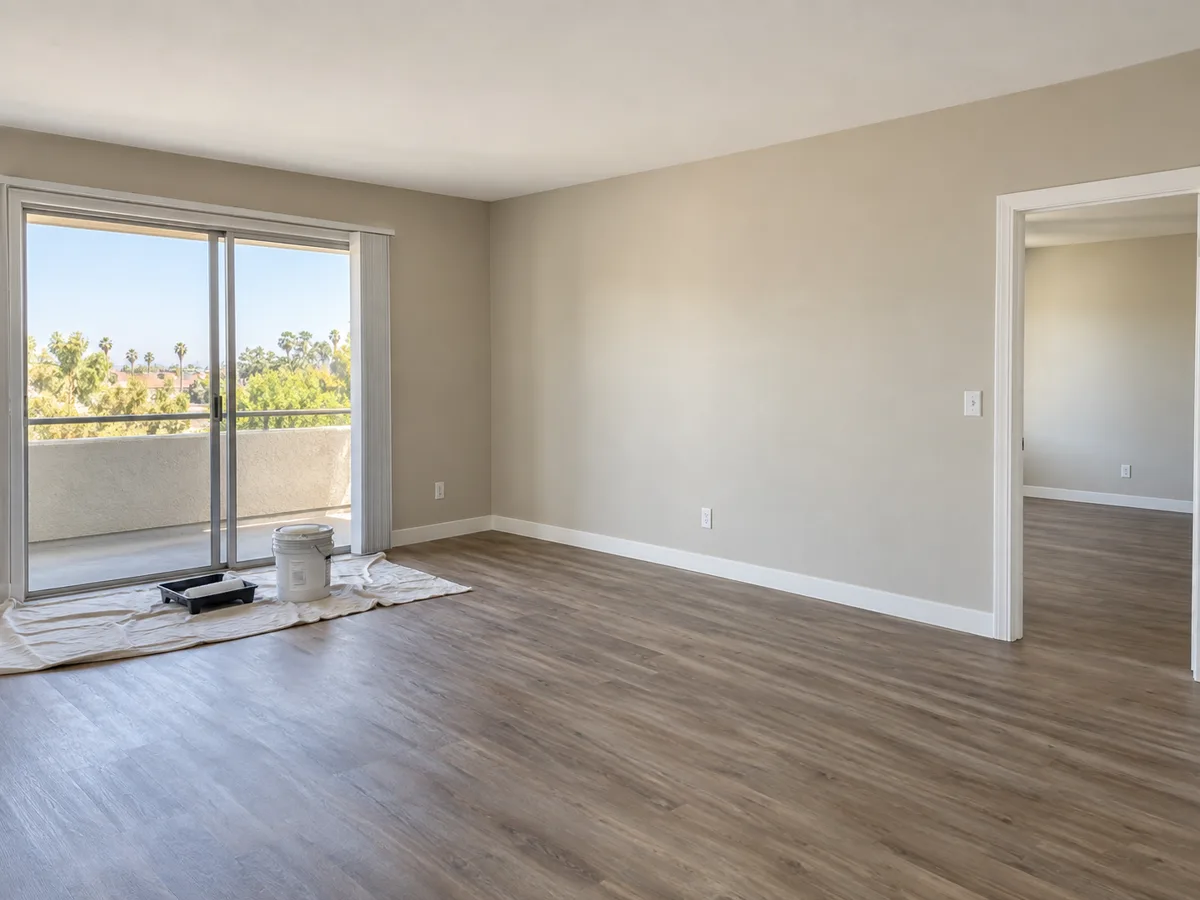
The owner or board
An owner needs the scope in plain terms, the budgetary range, the specification and the written warranty, so the decision to proceed rests on what will be on the walls and for how long the building can go before the next cycle.

Torrance Expert Painting is a trusted Los Angeles County specialist in commercial painting in Torrance, CA, specializing in written painting specifications, quantity takeoffs and phased repaints for owners, property managers and general contractors. We offer surface-by-surface bids and lift and scaffold access plans.
Our team provides submittal packages with product data and color samples, delivering buildings that keep operating while the work moves through them for both residential and commercial painting projects. Before any award we submit the product data sheets and paint a mockup area for your sign-off, then walk the punch list with your manager before closeout.
From the first elevation takeoff to the closeout binder, our team handles every detail. Serving Torrance, Redondo Beach, El Segundo and Rancho Palos Verdes, we send each request down the path for its building type, so a plant, a clinic and a shopping center each get the scope that fits how they run.
Why Torrance Expert Painting
No salesperson hands you to a stranger. The person who measures the job answers for it.
A commercial painting bid in Torrance should list eight things in writing, and a number without them is a guess. Each item below appears on our bid as its own line, so you can see where the money goes and ask about any one of them.
Quantities measured by building, elevation, floor, unit or square foot, taken from your plans or from a site walk. An estimator breaks the job into units small enough to measure, which is the definition of a quantity takeoff in construction.
Stucco, tilt-up concrete, block, wood trim, steel doors, railings, drywall and ceilings, each with its prep noted: wash, scrape, patch, spot prime or full prime.
The primer, the finish product, the sheen and the number of coats for every surface type. This is the specification, and it is what makes two bids comparable.
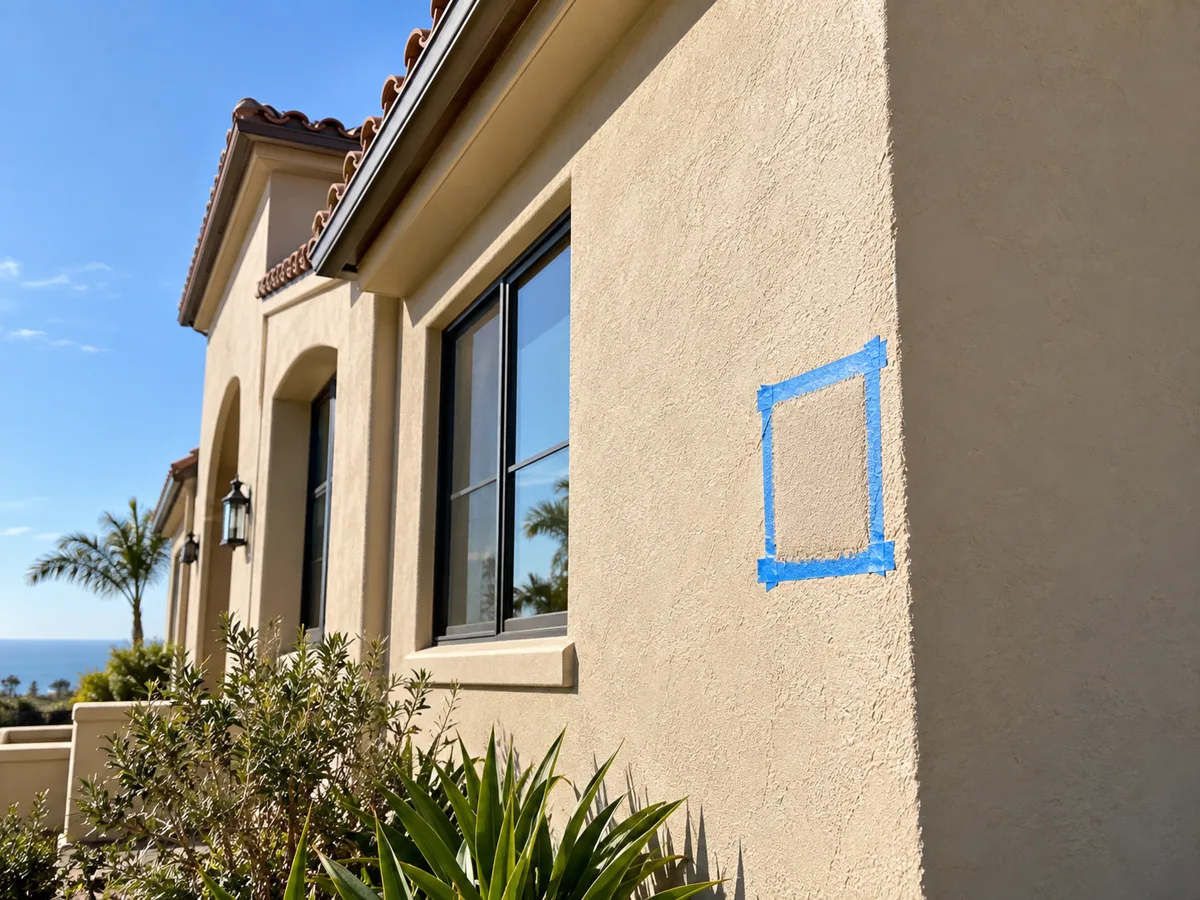
Product data and color samples sent for approval before the start, and a mockup area painted and signed off before a phased repaint begins.
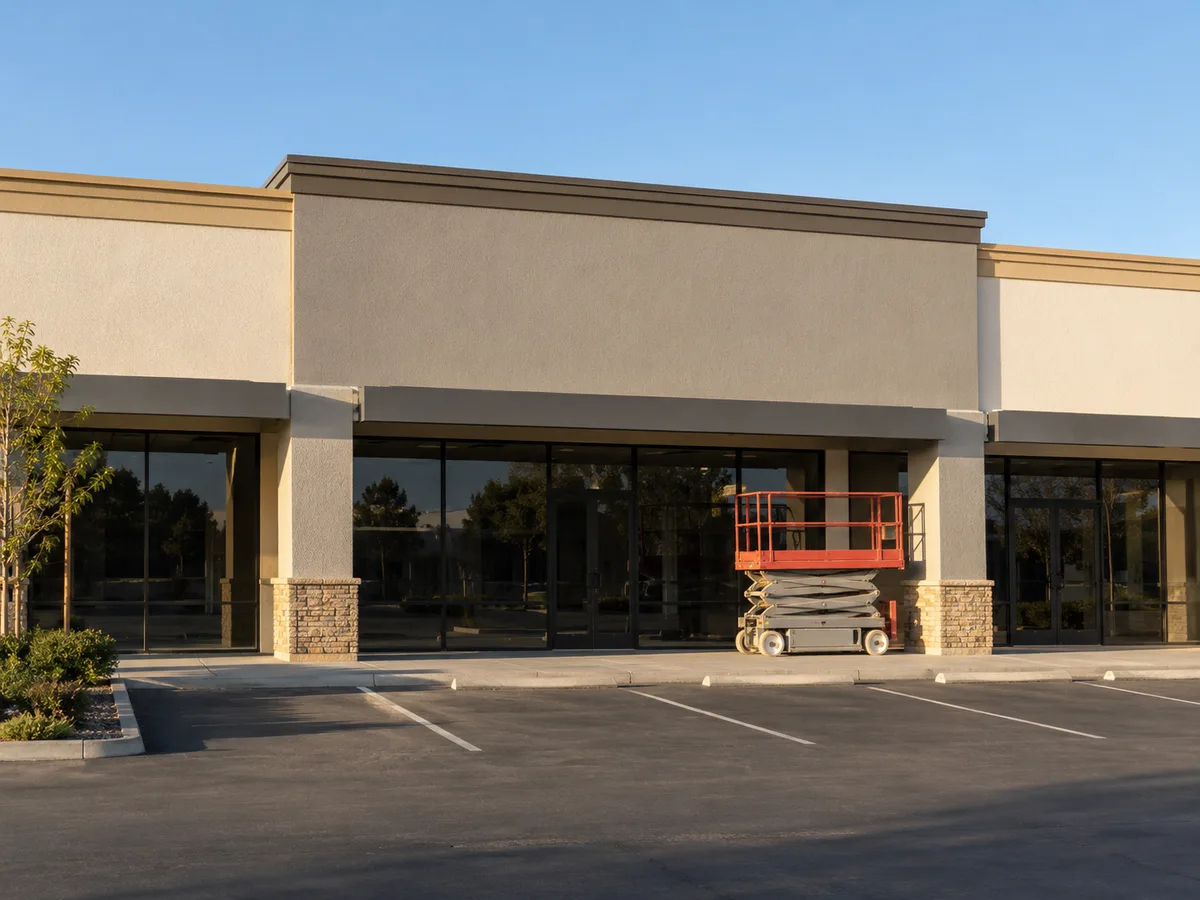
Ladders, scissor lifts, boom lifts or scaffolding for each elevation, with the equipment named so its cost is visible.
How the building is split into zones, in what order, and how many times the crew sets up and breaks down.
Draft notices for tenants, residents or staff, written for your manager to send.
A walk with your representative, the corrections, and a closeout record of products and colors used on each surface.
The specification comes first because a commercial bid is only comparable when every bidder prices the same work. In construction tendering, a bill of quantities exists for exactly this reason: when every contractor prices the same quantities instead of taking off their own, the comparison is fair. Painting works the same way. If one bidder carries one coat of finish over a spot prime and another carries a full prime and two coats, the lower number is not cheaper, it is a different building at the end.
So the first document we produce is a surface schedule that names, for every substrate, the prep, the primer, the finish, the sheen and the coat count. Where you already hold a specification from an architect, a reserve study line or an owner's standard, we bid to it as written and flag anything that conflicts with the product data for that surface. Where nothing exists yet, we draft one with you after the walk, and you are free to hand that same schedule to any other bidder.
Submittals then close the loop. In construction practice the contractor sends product data and samples so the architect or owner can verify the correct products will be installed, and that check happens before the work, not after the first elevation is finished.
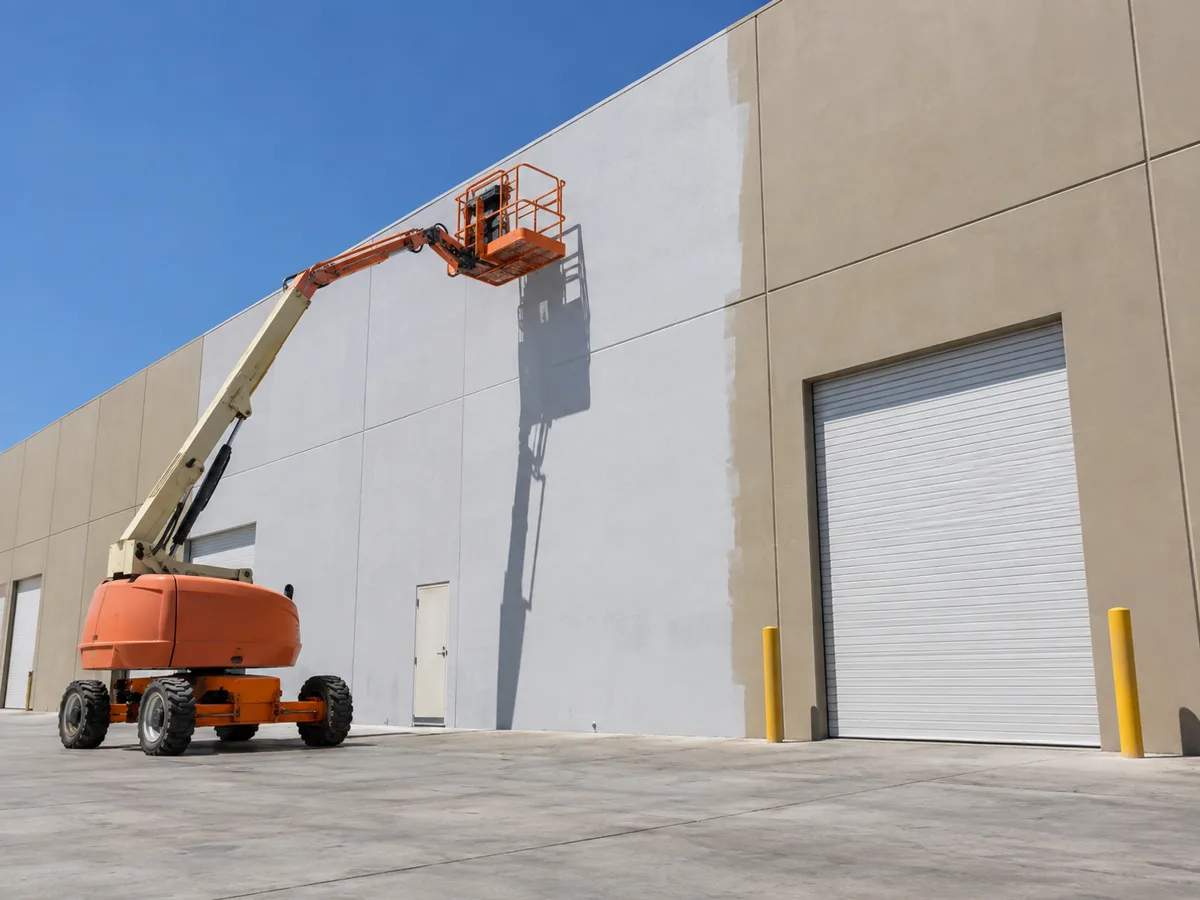
Access and phasing often move a commercial painting price more than the paint does. A two-storey stucco office reached from ladders is a different job from a tilt-up warehouse wall that needs a boom lift for every bay, and both are different again from a parking structure that has to stay open while the crew works across it.
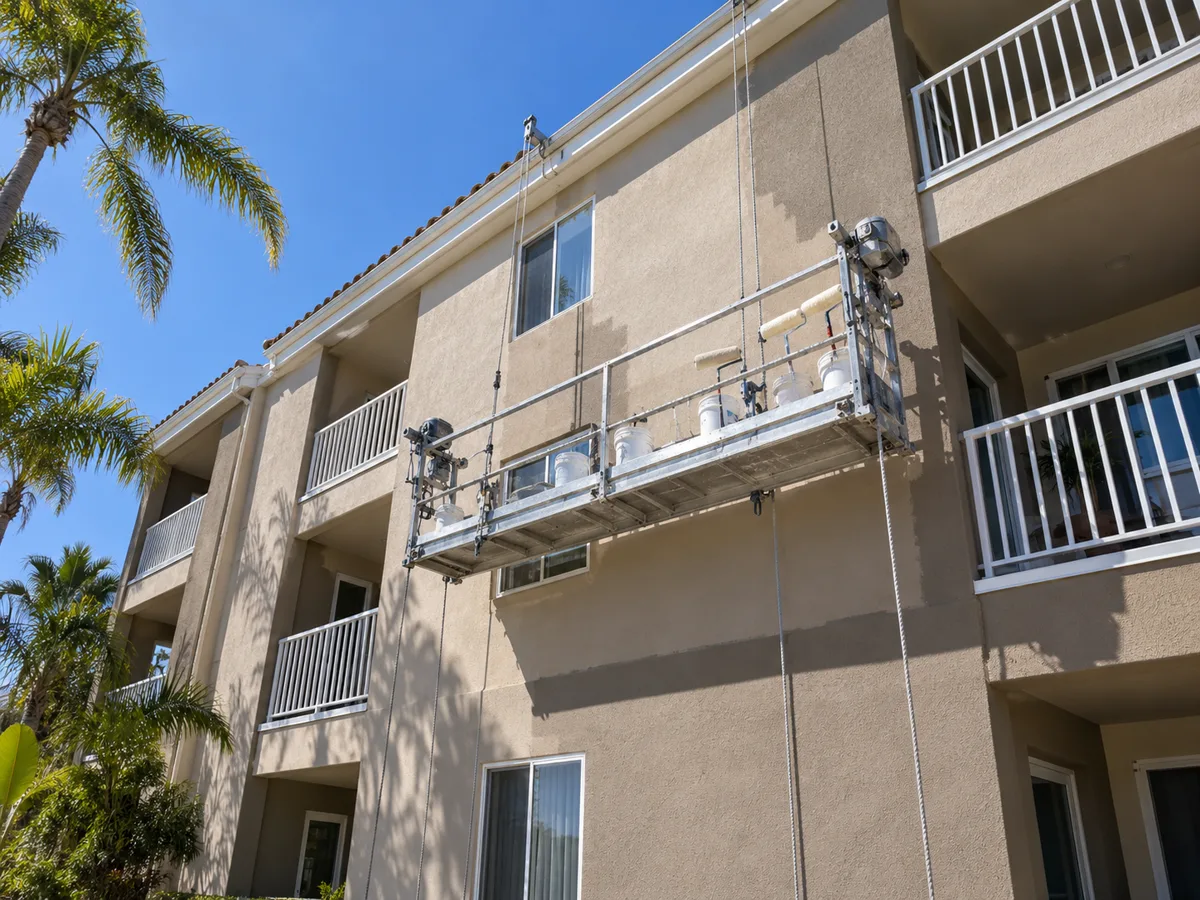
Aerial work platforms, the family that includes scissor lifts and boom lifts, give temporary access at height and are usually set up and run by a single operator. Scaffolding, also called staging, is a temporary structure that carries a crew and its materials along a wall, and suspended scaffolds hang from the roof where the ground below cannot take a lift. The bid names which one each elevation needs, because rental days, delivery and the ground under the equipment all land in the price.
Phasing is the other lever. Painting a building in one continuous pass is the cheapest way to do it and the hardest way to live with it. Splitting it into zones keeps entrances, docks or storefronts open, and each extra zone adds a setup, a teardown and a protection change. We price the phasing plan you need, list the number of mobilizations on the bid, and show what a simpler sequence would save so you can decide which trade-off suits the building.
One commercial job produces three different document sets, because the three people who buy it are answering different questions.
An owner needs the scope in plain terms, the budgetary range, the specification and the written warranty, so the decision to proceed rests on what will be on the walls and for how long the building can go before the next cycle.
A manager needs the schedule by building or floor, the notices for occupants, the access plan and a single point of contact, because that person absorbs every complaint while the work is underway.
A GC needs the painting scope carved to match the contract documents, the submittals in the format the architect expects, a schedule that fits behind drywall and ahead of flooring, and a punch list closed before substantial completion. We prepare the set that matches who sent the request, and a certificate of insurance and a W-9 travel with every bid package.
Commercial painting contracts in Torrance are typically estimated at roughly $15,000 to $250,000 per contract, a budgetary band for this kind of work across the market rather than a quote for your building. Where a job lands inside that band depends on the items below far more than on the square footage alone.
These figures are estimates, and they can change with the building, the season and the specification; the final price is set by the written bid after the site walk and a review of your plans. To get one, send the plans, the unit count or the reserve study with the property address, and the bid comes back as line items you can compare.
Torrance mixes building types that rarely share a street in other coastal cities. The original Olmsted plan placed the industrial sections on the east side of the first tract, and the city still holds the PBF Energy refinery, the US headquarters of Honda and Acura, aerospace and manufacturing plants, two major hospitals and Del Amo Fashion Center, one of the largest malls in the country. Each one is named here only as something that exists in Torrance, never as a client. They need different schedules, so each has its own page.
Walls, steel doors, handrails and bollards repainted in zones around shifts, docks and forklift traffic.
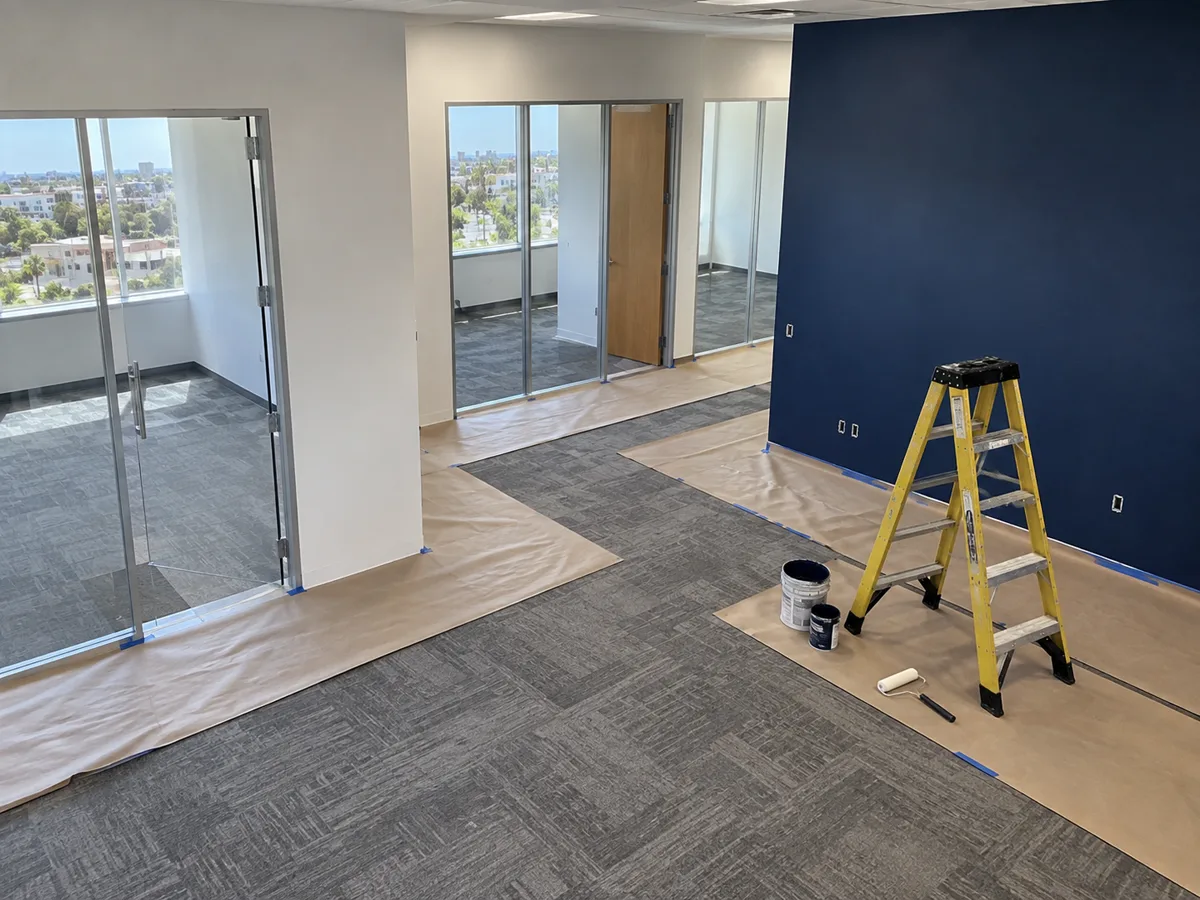
Occupied floors and patient-facing rooms painted after hours with low-odor products, and TI painting inside a GC schedule.
Storefronts, center exteriors and kitchens painted before opening or after close, with owner and tenant scopes split.
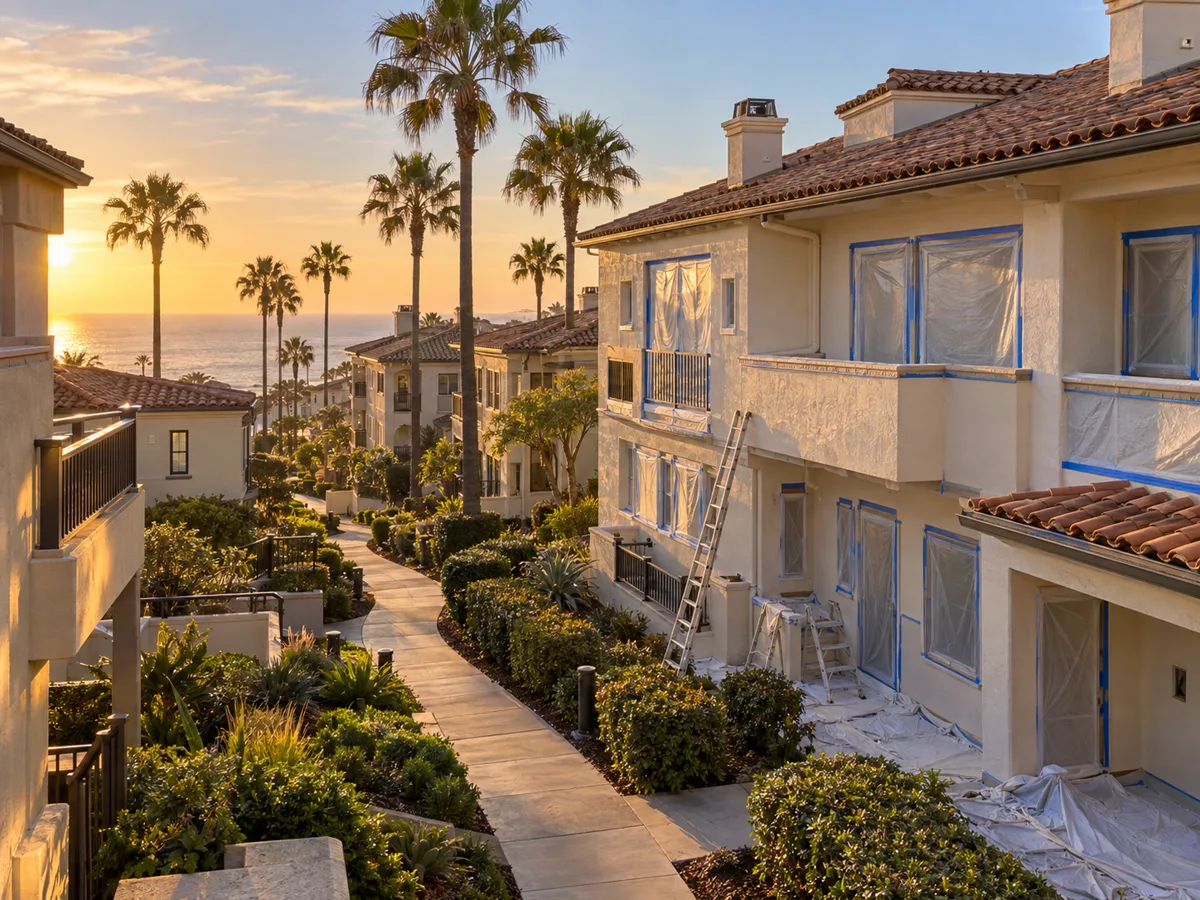
HOA community repaints, occupied apartment exteriors and vacant unit make-ready turns.
Paint packages for infill builders, ADU builders and GCs. Hotels are bid on this page, with the guest schedule carried in the phasing line.
The process
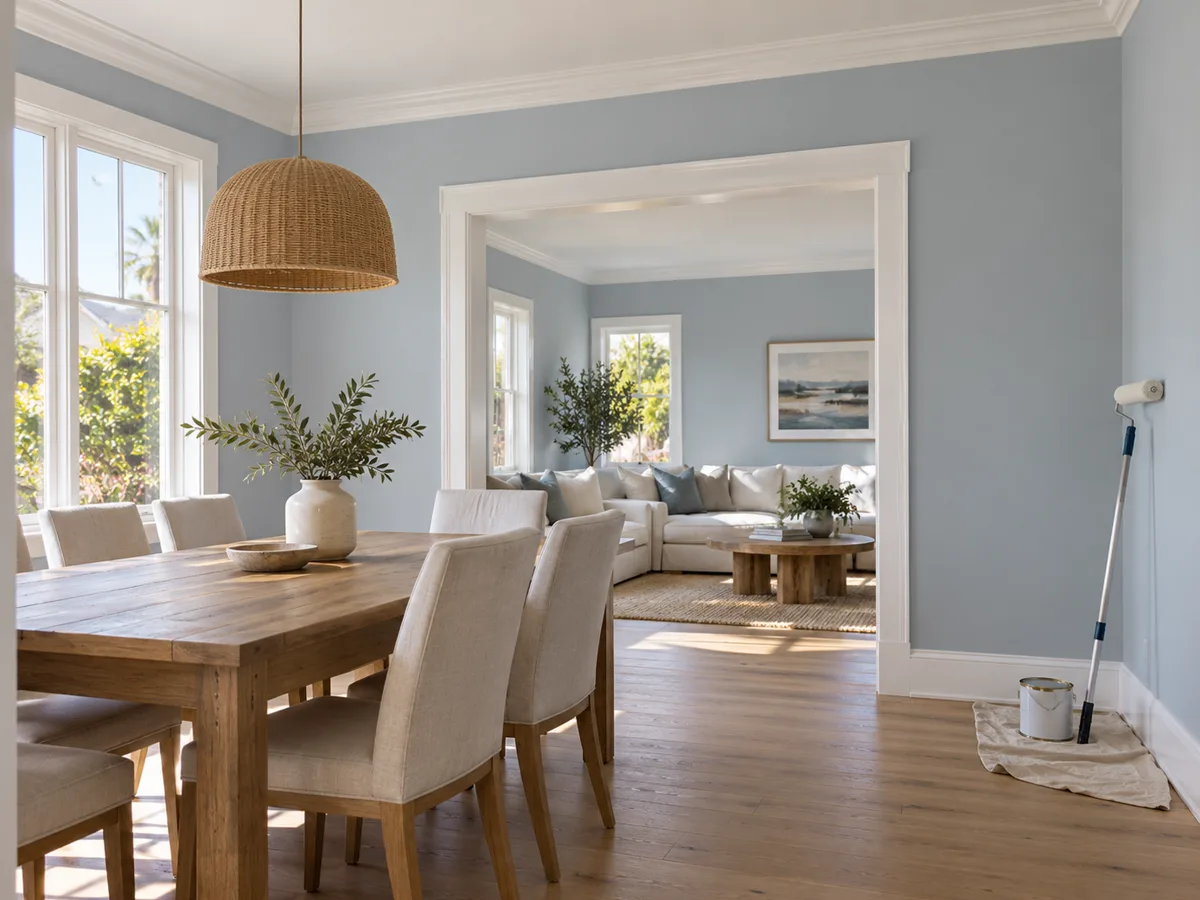
Four steps, and nothing is painted until you have approved the scope and the colors.
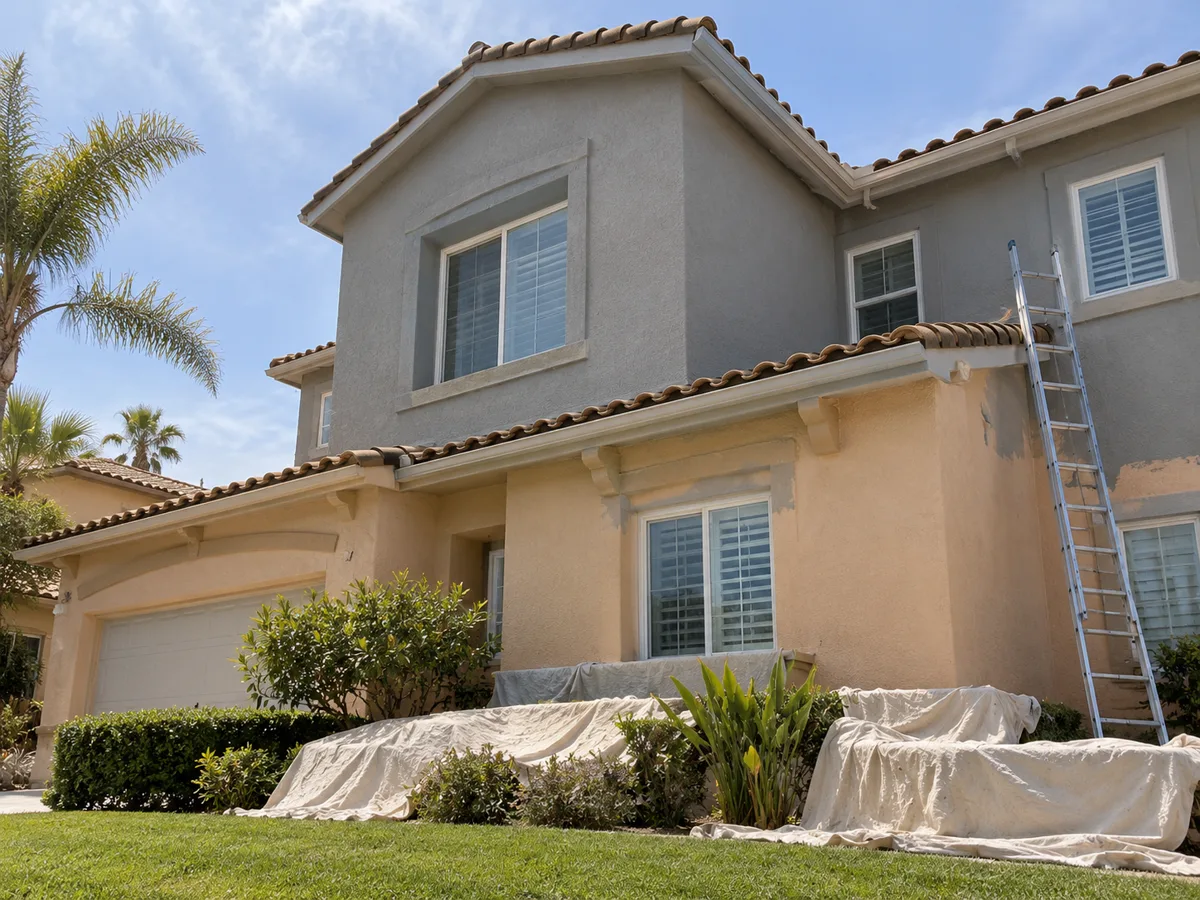
We walk the house or property with you, look at the stucco, the trim and the old coating, and note what the sun, the salt air and the marine layer have done to each side.
You get the prep, the products, the colors and the dates in writing. For an association or a building, the scope is phased so residents and tenants know which day is theirs.
Washing, scraping, patching and caulking come first, because that is what the paint holds on to. Then primer where it is needed and the finish coats.
We walk it again with you before we call it done, and touch up anything you point at.
Service area
Questions
Send the property address, the plans or elevations if you have them, and any specification, color standard or reserve study line that names the coating. A unit count or rough square footage is enough to start. If nothing is written down, we walk the property and draft the surface schedule with you.
Yes for new construction and tenant improvement, where the drawings show every surface. On a repaint we still walk the building before the number is final, because the drawings cannot show cracked stucco, rusted door frames or a coating that is already failing.
Usually because the two bids describe different work: fewer coats, a spot prime instead of a full prime, a cheaper finish grade or no allowance for access equipment. Ask each bidder for the product, sheen and coat count by surface. If they cannot give it, the numbers cannot be compared.
Yes, where the building requires it. Offices, clinics, stores and restaurants are often painted outside business hours, and plants are painted in zones that follow the shift pattern. The bid shows which hours are priced, since off-hours work changes the labor line.
Both are written on the bid once the scope, phasing and access are settled. Submittal approval and mockup sign-off come first, so the schedule counts from those approvals rather than from the day the bid is signed.
Yes. On tenant improvement and new construction the painting scope is carved to match the contract documents and slotted behind drywall finishing and ahead of flooring and trim. We follow the GC's sequence and close our own punch items before substantial completion.
A punch list walked with your representative and closed, a record of the products, sheens and colors used on each surface for future touch-ups, and the written warranty. Leftover labeled paint can be left on site for maintenance if you want it.
Yes. Hotels are bid from this page, with guest floors phased so rooms come out of service in small blocks. A single storefront, one office suite or a handful of steel doors is bid the same way as a full building: specification, takeoff and a written price.
Homeowners get a free on-site estimate. Boards, managers and contractors can send a scope for a bid.
Licensed, insured and bonded · License #585047. Calls only, we do not receive text messages.