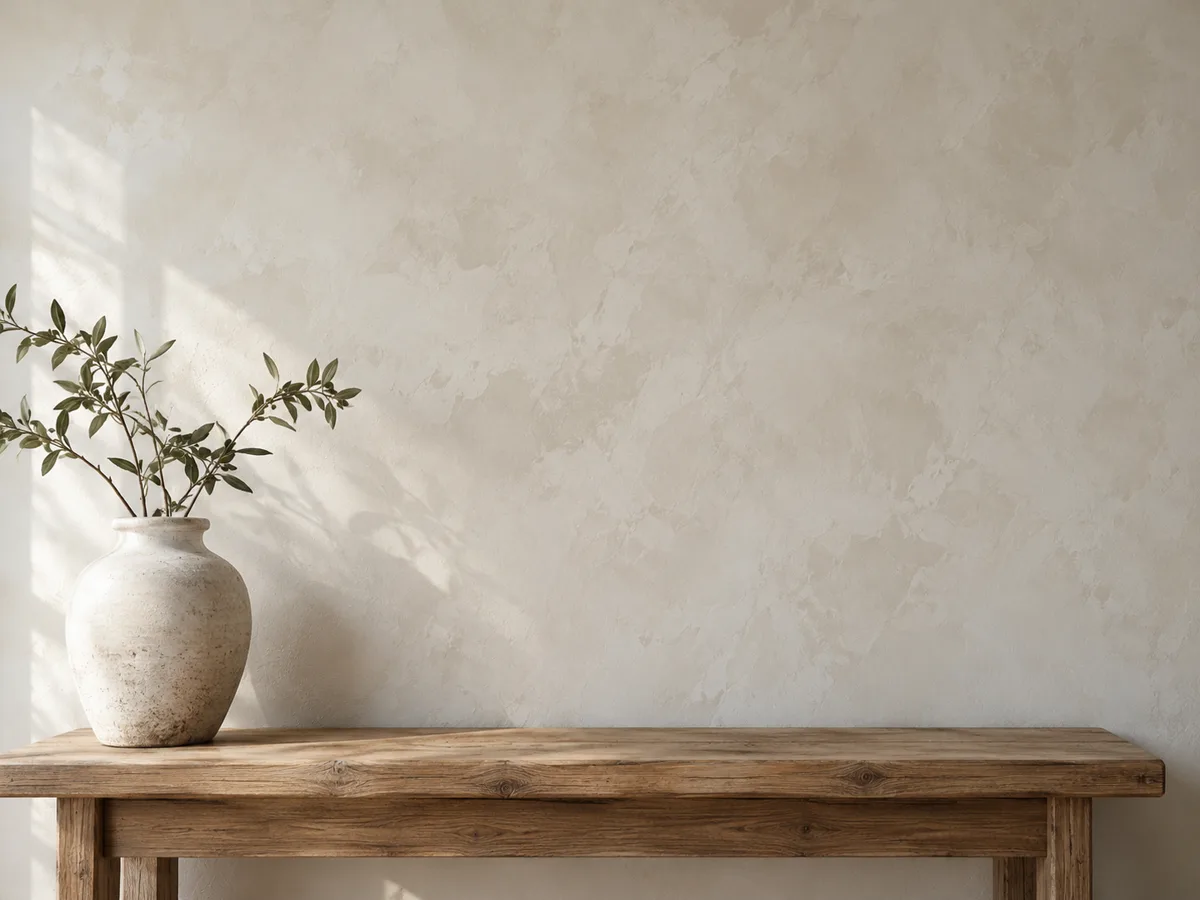
Fired clay brick
Brick is hard and fairly dense on its face, yet it still moves water through its body and joints. Glazed or very smooth faces need a bonding primer, while softer older brick needs a breathable coating.

Torrance Expert Painting provides brick and masonry painting in Torrance, including concrete block, and tells you first when a wall should be left unpainted. We check the mortar and the moisture, clean the surface and choose a coating that lets the wall breathe.
Brick and block are porous, so the coating has to let moisture out as well as keep rain off. We test the wall, repair the mortar, clean off salts and soiling, and use masonry primers and coatings made for the job.
Most of our masonry work is chimneys, planters and garden walls on 1950s and 1960s homes, perimeter block walls, and brick storefronts in Old Torrance. We serve Torrance, Redondo Beach, Rancho Palos Verdes and the South Bay, and we are plain about when painting brick is the wrong call.
Why Torrance Expert Painting
No salesperson hands you to a stranger. The person who measures the job answers for it.
Each masonry type takes paint differently, and the difference decides the prep. A wall that looks uniform from the street is often several materials with different absorption.
Brick is hard and fairly dense on its face, yet it still moves water through its body and joints. Glazed or very smooth faces need a bonding primer, while softer older brick needs a breathable coating.
Block walls are open and thirsty, so they take a block filler or heavy masonry primer to close the surface before finish coats. Without it, the first coat soaks in and leaves a patchy, uneven color.
Mortar is softer than brick and weathers first. Crumbling or recessed joints are raked and repointed by a mason before paint, because paint cannot repair a joint that no longer holds the wall together.
Brick that has been painted before is washed and checked for peeling, blistering and trapped moisture. Loose coating is removed down to a sound edge, and the old paint type decides what can safely go over it.
Unpainted brick is often better left alone, because paint is hard to remove and changes how the wall handles moisture. We tell you that on the walk when it applies, and we paint brick only when there is a real reason to.
Once a brick wall is painted it is committed to repainting on a schedule, so the choice is made with the whole life of the wall in view, not just the first coat.
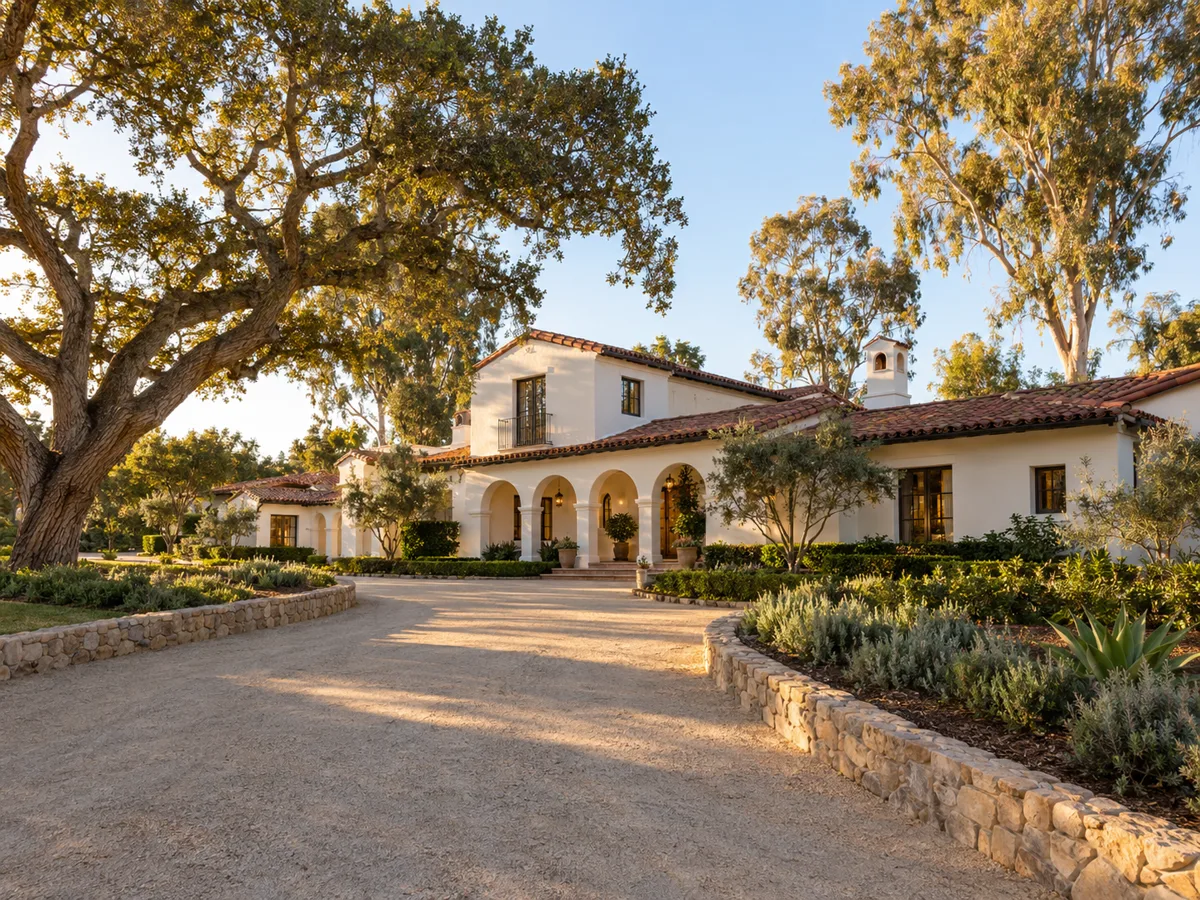
Masonry prep is about moisture, cleaning and the condition of the joints, and each step is listed in the scope. The finish coat is the last thing that happens.
Fresh patches are tested for dryness and alkalinity before primer, because new mortar and concrete are highly alkaline and need time before they take paint.
Surface area is only part of a masonry estimate, and condition counts more. A small brick chimney with a lot of failed mortar can take more work than a long, sound block wall.
You get a written schedule that lists each wall, the prep for it and the order the work is done in.
Torrance masonry deals with salt air, dew and sun, so breathable coatings and thorough cleaning matter more here than they do inland. The marine layer leaves a film of moisture on walls through late spring, and salt carried on the air settles on the surface.
On the Peninsula, where ground can move, we also look for stair-step cracks in block and brick that point to settlement, and we raise those before coating.
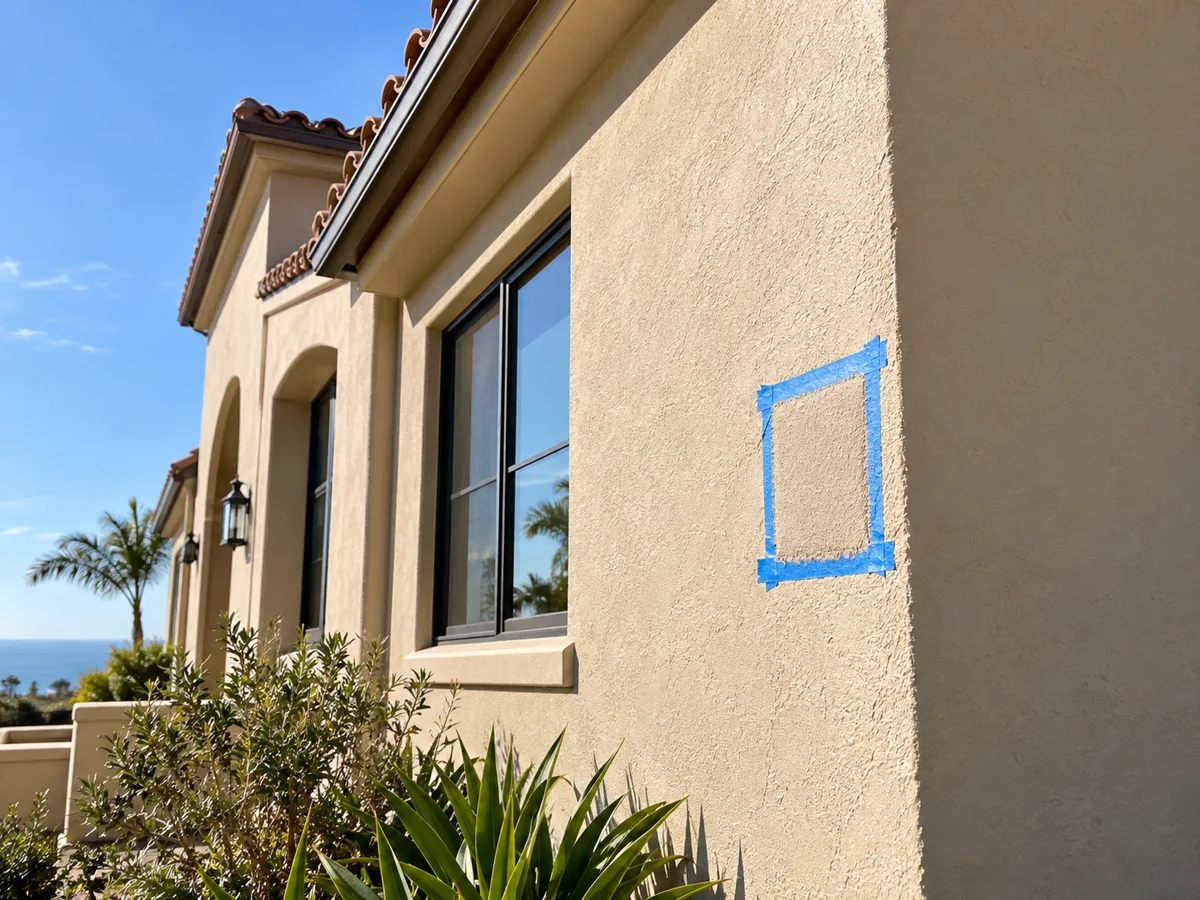
We paint brick and masonry at homes, townhome communities and small commercial buildings across Torrance and the South Bay. Typical jobs are brick fireplaces and chimneys on the exterior, front-yard planters, block garden and property walls, brick storefronts and retaining walls.
Send a few photos of the wall, including any white powder, peeling paint or crumbling joints, or book a walk, and you get a straight answer: paint, stain, repair first, or leave it alone. The written scope lists each wall and the prep for it.
If the wall needs a mason for repointing or rebuilding, we say so on the first visit and can schedule our work for when that is done.
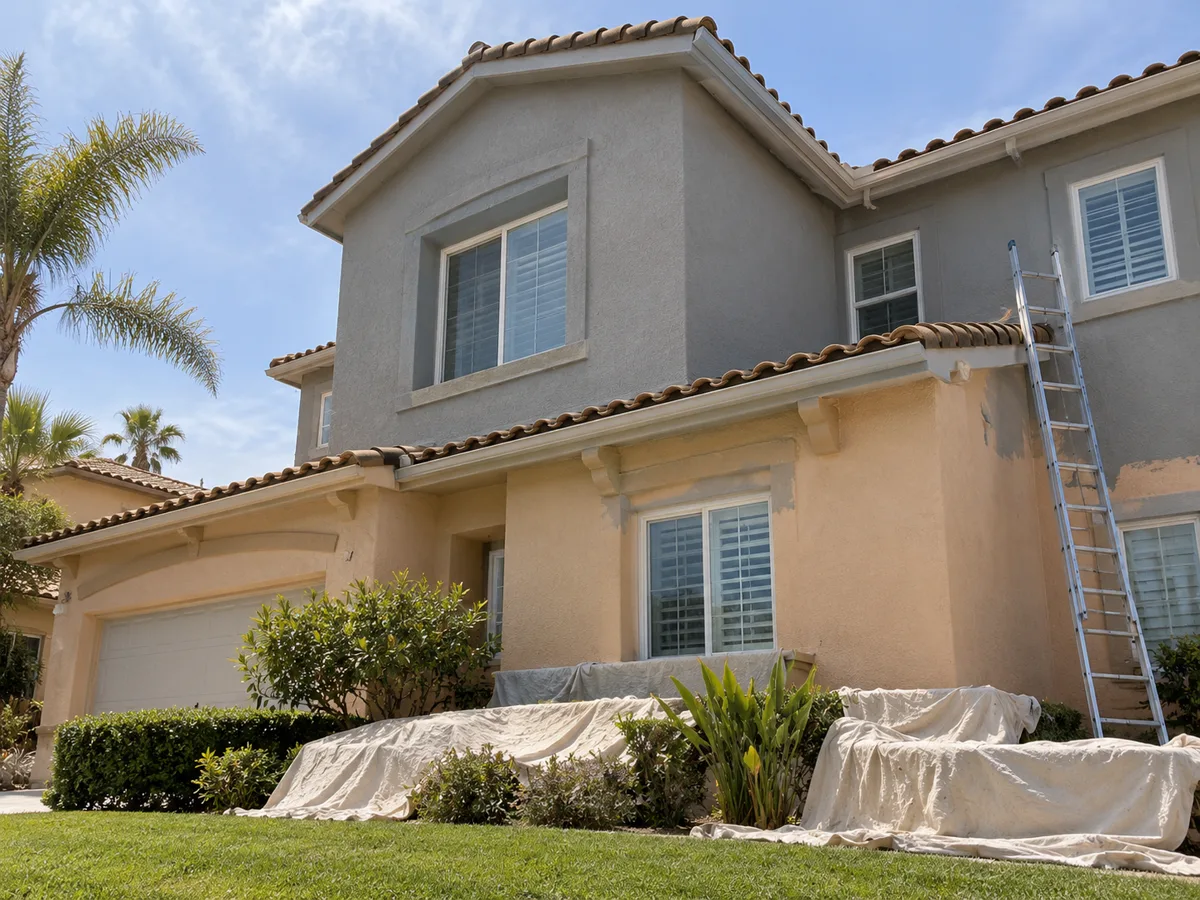
The process
Four steps, and nothing is painted until you have approved the scope and the colors.
We walk the house or property with you, look at the stucco, the trim and the old coating, and note what the sun, the salt air and the marine layer have done to each side.
You get the prep, the products, the colors and the dates in writing. For an association or a building, the scope is phased so residents and tenants know which day is theirs.
Washing, scraping, patching and caulking come first, because that is what the paint holds on to. Then primer where it is needed and the finish coats.
We walk it again with you before we call it done, and touch up anything you point at.
Questions
Not always, but it is a commitment. Painted brick needs repainting over time, and the coating can trap moisture if it is the wrong type, so we use breathable masonry products and tell you when leaving brick bare is smarter.
Sometimes, but it is difficult and can damage the face of the brick. We explain what is realistic for your wall on the walk, and chemical or gentle methods are chosen over harsh blasting.
That is efflorescence, salt carried to the surface by moisture moving through the wall. It is cleaned off and the water source is found before any paint goes on, or it returns.
We handle small cracks and minor joint repair as part of prep. Crumbling joints that need raking and repointing go to a mason first, and we schedule around that.
Wall area, the condition of the mortar, the type of masonry and the prep needed drive the price. The written quote after the walk sets it, itemized by wall.
It depends on prep, moisture and sun exposure, and a well-prepped wall typically holds for many seasons. Walls with water problems fail sooner, which is why we check moisture first.
Yes. Block walls get a block filler and masonry primer, and planters are checked for drainage and cap condition before the face is painted.
We serve Torrance and the surrounding South Bay, including Redondo Beach, Rancho Palos Verdes, Rolling Hills Estates and Lomita. Send your address and photos and we will confirm.
Homeowners get a free on-site estimate. Boards, managers and contractors can send a scope for a bid.
Licensed, insured and bonded · License #585047. Calls only, we do not receive text messages.