Skip to content
Call (424) 435-0964Licensed, insured and bonded · License #585047

Industrial Painting in Torrance for Plants and Warehouses That Keep Running

Torrance Expert Painting is a leading Los Angeles County specialist in industrial painting in Torrance, CA, specializing in tilt-up wall repaints, block wall coatings and steel door and frame painting for plant, warehouse and manufacturing facility managers. We offer shift-zoned schedules and safety color marking on bollards and rails.

  • Free on-site estimate
  • Written scope, coat by coat
  • Colors you approve first

Get a free painting estimate

Or call (424) 435-0964. Calls only, we do not receive text messages.

About our industrial & manufacturing facility painting

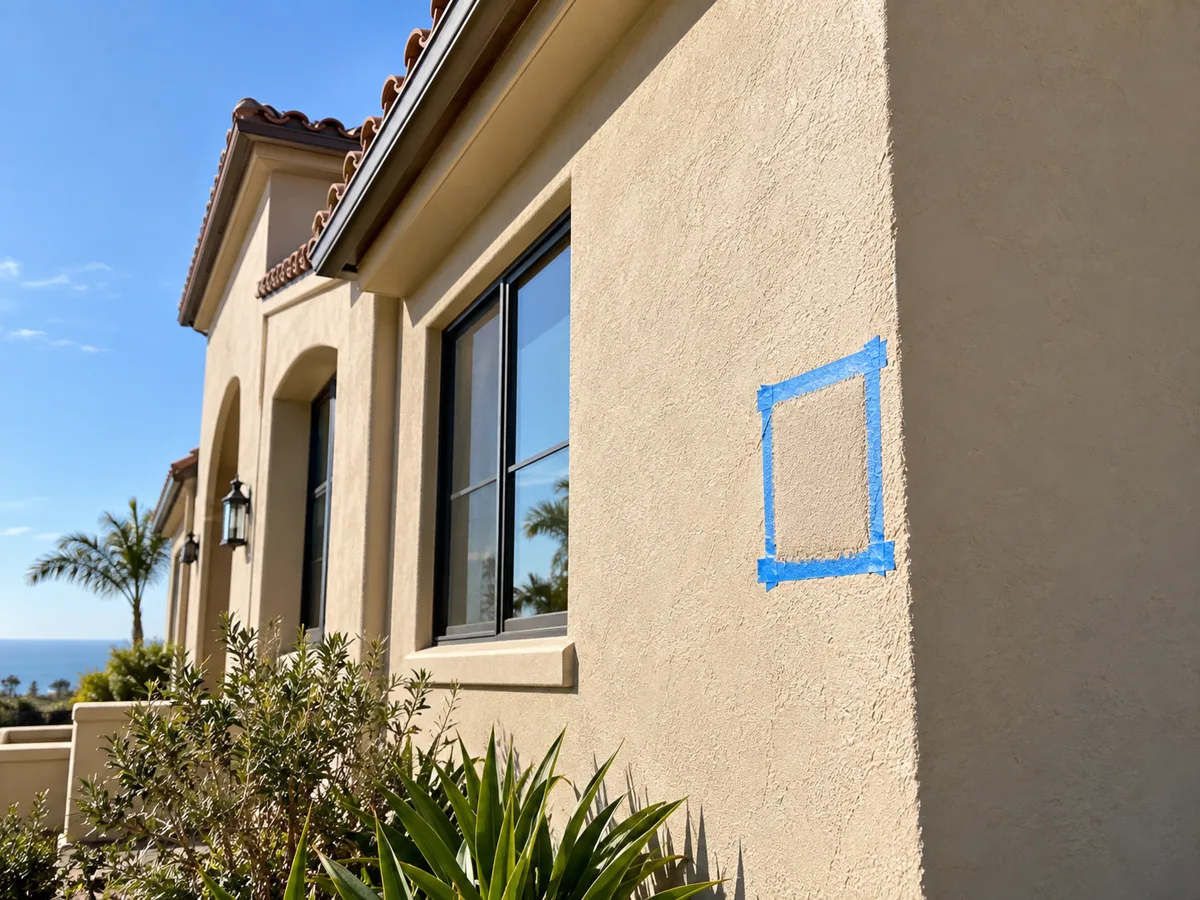
Our team provides painting plans built around loading docks and forklift aisles, delivering a facility that keeps shipping while the walls change color, for both residential and commercial customers whose buildings never fully close. We walk the plant with your safety lead, submit product data for every surface, and paint a mockup panel for approval before the first zone opens.

From scraping rust off a dock door frame to repainting the last elevation of a tilt-up building, our team handles every detail. Serving Torrance, El Segundo and Manhattan Beach, we fit the painting around the work your floor already does.

Why Torrance Expert Painting

How We Work

No salesperson hands you to a stranger. The person who measures the job answers for it.

Written scopePrep, primer and finish coats listed surface by surface
Colors firstSamples on your wall, and association submittals prepared for review
One crewThe crew that quotes the job is the crew that paints it
CA License #585047Licensed, insured and bonded

Painting around shifts and loading docks

Industrial painting in Torrance is done in zones that match the plant's shift pattern, never across the whole building at once. Shift work exists to keep a production line running at all hours, and a common plan divides the day into three blocks, so there is rarely a moment when a floor is empty. The repaint has to borrow space, not stop production.

We start from your shift plan and your dock schedule. A zone is a section of wall, a run of racking aisle or a dock bay, small enough to be cleared, painted and handed back inside the window you give us. The zone map goes on the bid with its order, so a production supervisor can see which aisle closes on which shift before anything is signed.

  • Dock bays are taken one or two at a time, scheduled against the inbound and outbound truck windows.
  • Forklift aisles are coned and signed off for the length of the zone, then reopened with the floor clean.
  • Exterior elevations along truck courts are painted when the yard is quiet, often on a weekend or a night shift.
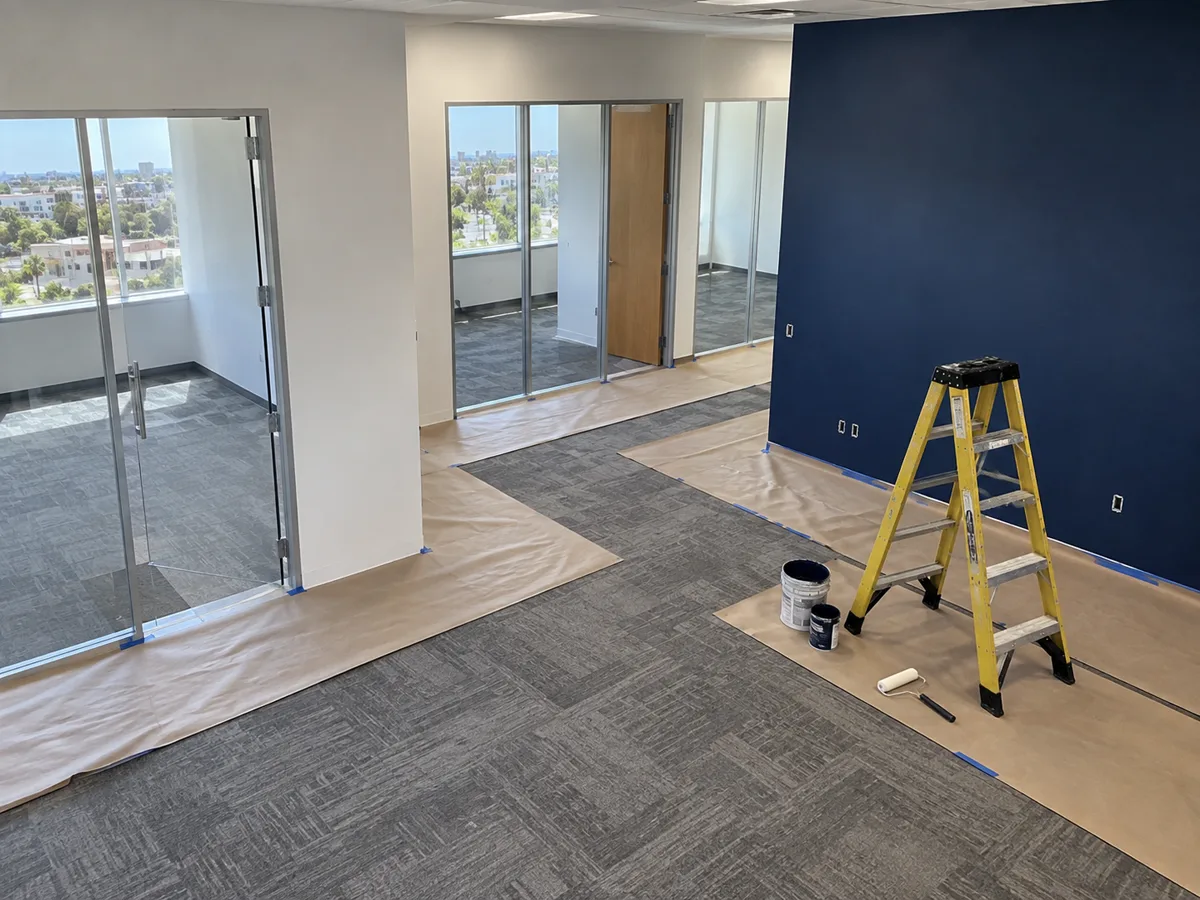
  • Office mezzanines and break rooms can be done on a separate pass, since their hours differ from the floor.

Loading docks carry bumpers, dock levelers, dock seals and vehicle restraints, all bolted to the wall or slab the crew is painting. We mask and protect that equipment rather than painting over it, because a leveler that is painted shut becomes a maintenance call for your team.

Walls, steel and safety colors

A plant is several different substrates under one roof, and each one gets its own system. Treating a tilt-up panel, a block wall and a steel door frame as the same surface is how a repaint starts peeling within a few seasons.

Tilt-up concrete panels

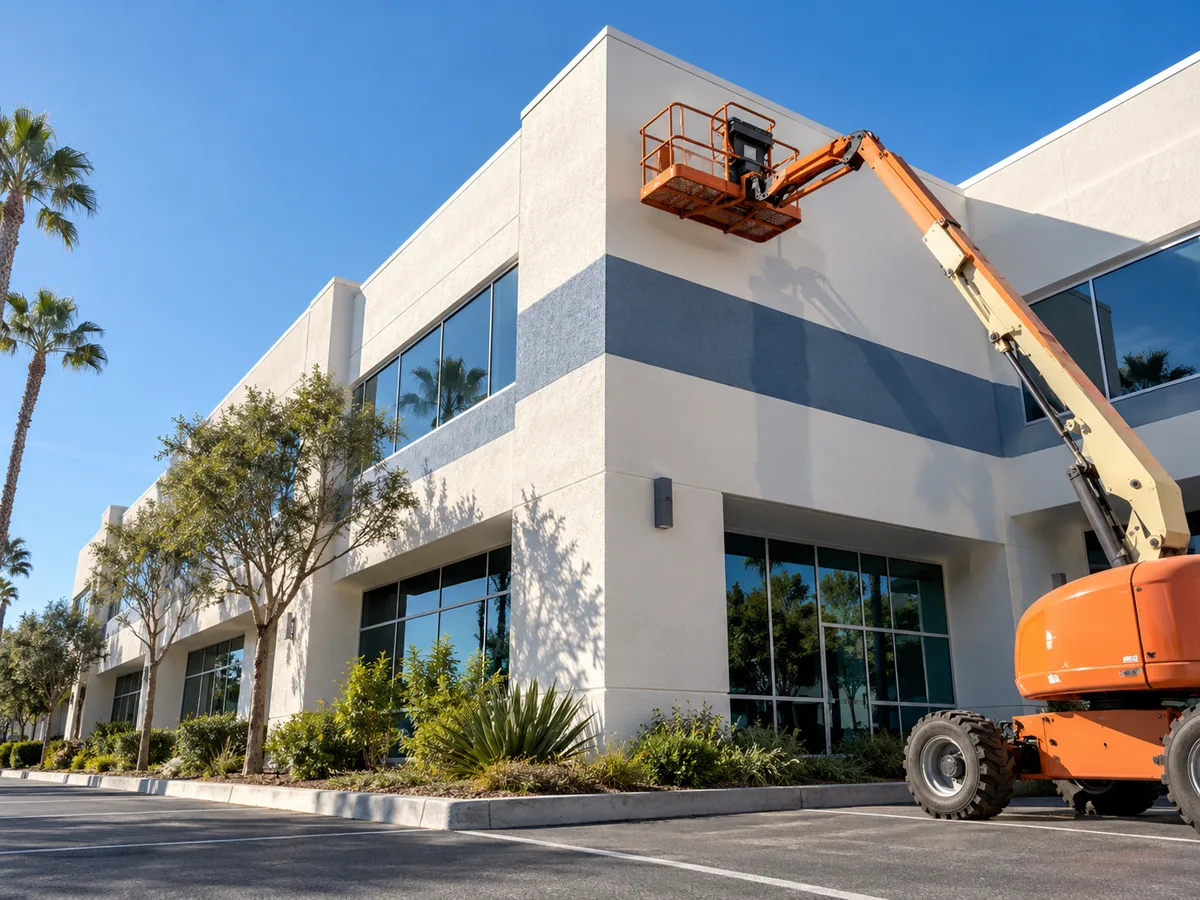
Tilt-up walls are cast flat on the slab and lifted into place by crane, so a building of this type is a run of large concrete panels with joints between them. They are washed, patched where the concrete has spalled, primed where the surface is porous, and finished with a masonry-grade coating, with the panel joints left to the sealant trade if they need resealing.

Concrete block

Concrete masonry units are porous and textured, so block walls take a filler or primer suited to masonry before the finish, which is what keeps the coating from soaking in unevenly.

Steel doors, frames and handrails

Rust is iron oxide, and surface rust is flaky and gives the steel beneath it no protection, so loose rust is removed and the bare metal is primed before any finish goes on. Galvanized rails carry a zinc coating, and the product data sheet names the primer that will bond to it.

Safety colors on bollards and rails

Under federal workplace rules, yellow is the basic color for caution and for marking physical hazards such as striking against, stumbling, falling, tripping and being caught in between, and red identifies fire protection equipment, danger signs and emergency stop controls. Bollards, guard rails, step edges and column bases are repainted in those colors with a durable finish, and your safety lead confirms the marking plan before the crew starts.

Safety, permits and site rules

A facility's safety orientation, permits and lockout areas are part of the painting scope, not extras added after the bid. If your plant requires every contractor to attend an orientation, carry a hot work or confined space permit, or check in through a gate, those hours belong on the bid where you can see them.

Lockout and tagout is the procedure that keeps dangerous equipment shut off so it cannot restart while someone is working near it, with each isolated energy source locked and tagged to the worker who holds the key. Painters do not perform your lockout. What the scope does is name every machine, conveyor or panel the crew will work beside, so your maintenance team can schedule the isolation and our crew knows exactly where it may and may not set a ladder or a lift.

  • Lift operation near racking, overhead doors and sprinkler lines, with spotters where your rules ask for them.
  • Fall protection on mezzanine edges, roof access and any elevated work, since falls from height remain a leading cause of serious workplace injury.
  • Ventilation and product choice inside occupied areas, matched to your environmental and safety staff's requirements.
  • Clean-up at the end of each zone, so no drip, tape or mask is left on a forklift lane.

Torrance has a deep industrial base: the PBF Energy refinery in the north end of the city, aerospace fastener production, turbocharger and helicopter manufacturing, and a large bakery plant. They are named here only to describe what the city holds, never as clients. Tank linings, fireproofing and refinery process equipment are specialty coating trades with their own certifications, and they sit outside this page. Our scope is the architectural repaint around them: the walls, doors, rails and markings of the buildings that house the work.

Industrial painting cost and how a repaint is priced

Industrial repaints of plants and warehouses are typically estimated at roughly $40,000 to $400,000 per facility, a budgetary band for the work across the market, and the zone count often moves a price more than the square footage does.

  • Wall area by elevation and interior zone, plus door, frame, rail and bollard counts.
  • Substrate mix: tilt-up, block, metal panel, steel doors, galvanized rails.
  • Condition: rust, failed coatings, spalled concrete, oil and forklift scuffing that must be cleaned before priming.
  • Lift type and rental days, especially inside racked aisles or over production lines.
  • The number of zones and shift windows, since each zone is a separate setup and teardown.
  • Night, weekend or holiday work requested to avoid production hours.
  • Orientation, permit and escort time required by the site.
  • Protection of equipment, product and finished floors.

All of these numbers are estimates and may change once the zones, substrates and access are measured; the written bid after the facility walk sets the final price. Send the site plan, the square footage or the list of buildings, and your shift pattern, and the bid comes back zoned to it.

From walkthrough to closeout

An industrial repaint runs as a fixed sequence, and you see each step on paper before the next one starts.

Facility walk

We walk the site with your facility manager and safety lead, record each substrate and its condition, and note docks, aisles, equipment and any restricted area.

Zoned bid and submittals

The bid arrives as zones with their order, plus product data for every system, so procurement and safety can review the products before award.

Mockup panel

One panel, door or bollard is finished first and approved, and that sample becomes the standard for the rest of the building.

Zone by zone

Each zone is cleared, prepped, primed, painted and returned to your team on the agreed shift, with the area cleaned and the lane reopened.

Punch list and record

The punch list is walked with your manager, and you receive a record of the products and colors used on each surface, so future touch-ups match.

Colors and Finishes

The process

How a Painting Job Runs

Four steps, and nothing is painted until you have approved the scope and the colors.

  1. The walk

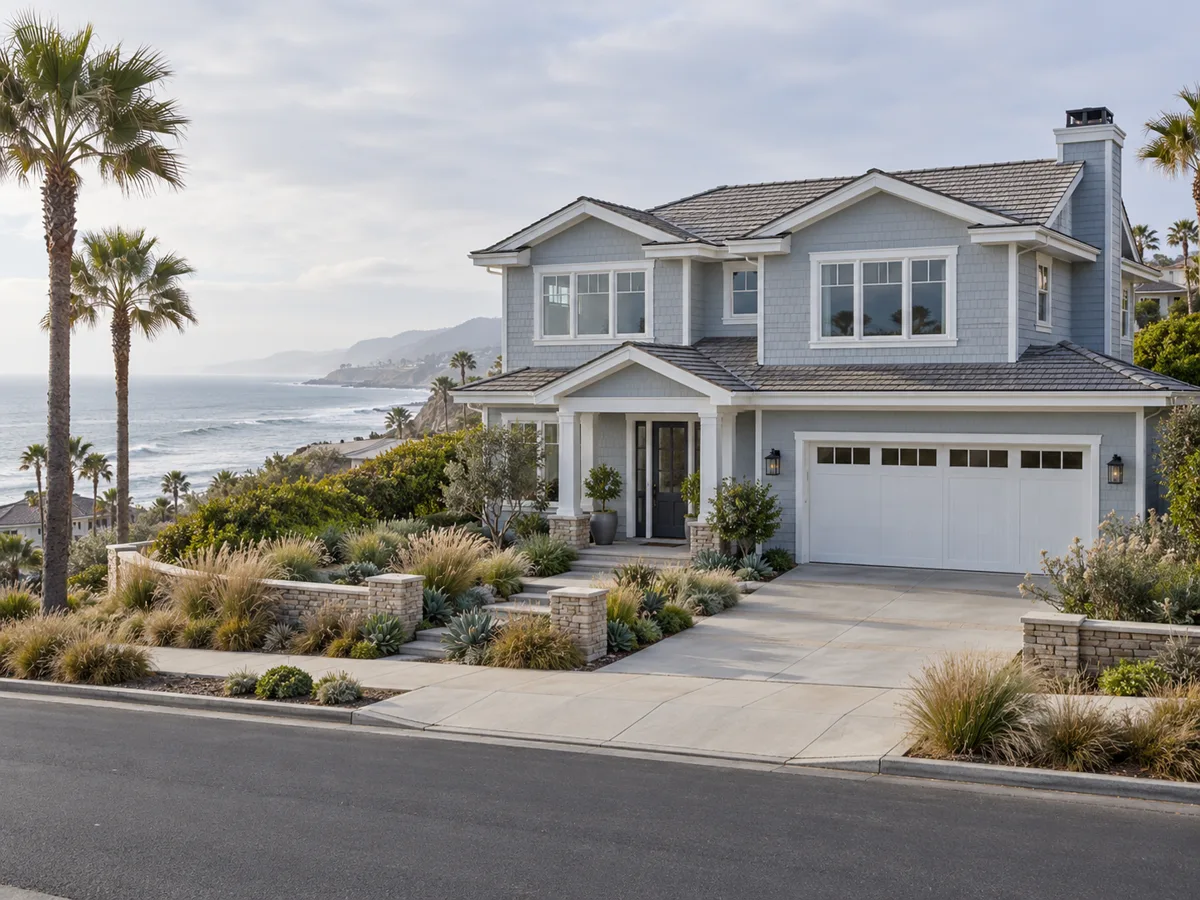
    We walk the house or property with you, look at the stucco, the trim and the old coating, and note what the sun, the salt air and the marine layer have done to each side.

  2. The written scope

    You get the prep, the products, the colors and the dates in writing. For an association or a building, the scope is phased so residents and tenants know which day is theirs.

  3. Prep, then paint

    Washing, scraping, patching and caulking come first, because that is what the paint holds on to. Then primer where it is needed and the finish coats.

  4. The final walk

    We walk it again with you before we call it done, and touch up anything you point at.

Questions

Industrial & Manufacturing Facility Painting: Common Questions

Can you repaint our plant without stopping production?

Yes, that is the point of zoning. The building is divided into sections that can be cleared inside your shift windows, and each one is handed back before the next one opens. Truck courts and exterior walls are often painted when the yard is quiet.

Do you paint inside racked warehouse aisles?

Yes, aisle by aisle. The aisle is cleared or protected, coned off from forklift traffic, and reached with a lift sized for the aisle width. The product on the racks is covered before any spray or roller work starts.

Do you paint tanks, pipe racks or fireproofing?

No. Tank linings, fireproofing and refinery process equipment are specialty coating trades with their own certifications. We repaint the architectural surfaces of industrial buildings: walls, doors, frames, rails, bollards and safety markings.

What colors do you use for bollards and safety rails?

Yellow for caution and physical hazards, and red for fire protection equipment and emergency stops, following the federal safety color code. Your safety lead approves the marking plan, including any stripes or reflective tape your site standard adds.

Will your crew attend our safety orientation?

Yes. Orientation, badging, permits and escort time are priced on the bid as their own line, so they are planned rather than discovered on the first morning.

How do you handle odor and overspray near our product?

Product choice and application method are matched to the zone. Near stored goods or production we favor rolling and brushing over spraying, protect everything within reach of the work, and pick coatings your environmental staff approve from the product data.

Can you work our holiday shutdown?

Yes. A planned shutdown is the best window for the hardest zones, such as ceilings over a production line or the main dock run. Tell us the dates early so the zones that need the empty floor are scheduled into it.

What do we get when the work is finished?

A walked and closed punch list, a written record of every product, sheen and color by surface, labeled leftover paint for touch-ups if you want it, and the written warranty.

Free on-site estimate

Talk to us about industrial & manufacturing facility painting

Homeowners get a free on-site estimate. Boards, managers and contractors can send a scope for a bid.

Call to Discuss Scope

Licensed, insured and bonded · License #585047. Calls only, we do not receive text messages.

Call (424) 435-0964Licensed, insured and bonded · License #585047