Interior phase
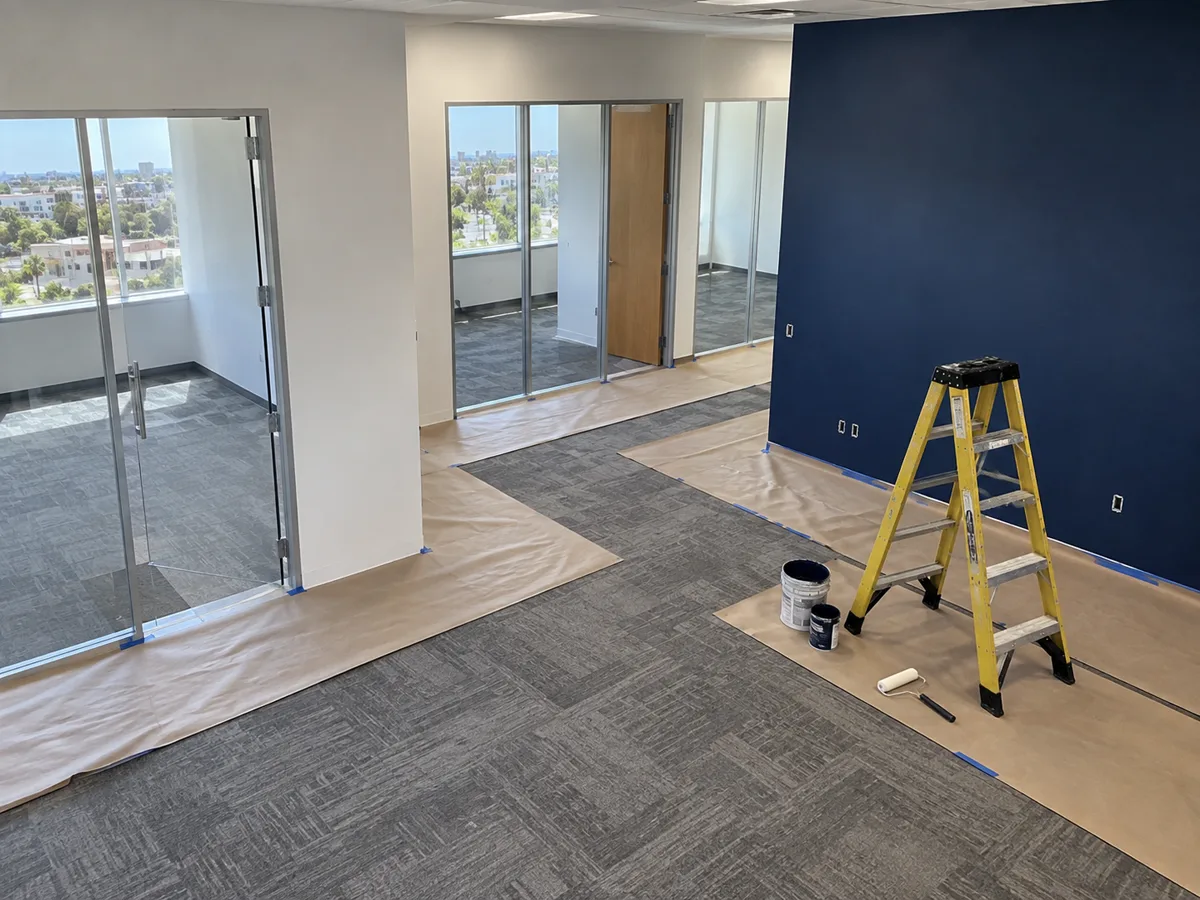
Finished drywall is primed, and walls and ceilings take their first finish coat before cabinets, counters and finish carpentry go in, so the big surfaces are painted while the rooms are empty.

Torrance Expert Painting is a specialist Los Angeles County subcontractor for new construction painting in Torrance, CA, working with builders, general contractors and ADU builders and specializing in plan-based pricing, new stucco and drywall priming, and phased interior finishes. We offer whole-house painting for infill rebuilds and complete paint packages for accessory dwelling units.
Our team provides interior and exterior painting from first primer to final touch-up, delivering consistent finishes across repeat plans for both residential and commercial projects. We submit product data and color submittals to the builder before mobilizing, and our own crew checks moisture in new stucco and drywall before the first coat of primer goes on.
From alkalinity checks on fresh stucco to the punch list after the last trade leaves, our team handles every detail. Serving Torrance, Manhattan Beach, Hermosa Beach and Palos Verdes Estates, we set our dates from the GC's schedule and hand each home or ADU over ready for the final walk.
Why Torrance Expert Painting
No salesperson hands you to a stranger. The person who measures the job answers for it.
New construction painting in Torrance is priced and scheduled by plan: the builder sends the drawings, and each plan gets one scope and one price that repeats every time that plan is built. On an infill rebuild the plan is a single house; on a run of ADUs it may be two or three plans built again on different lots.
Finished drywall is primed, and walls and ceilings take their first finish coat before cabinets, counters and finish carpentry go in, so the big surfaces are painted while the rooms are empty.
Doors, casings and baseboards are caulked and enameled after the carpenters set them, in the sheen the color schedule names.
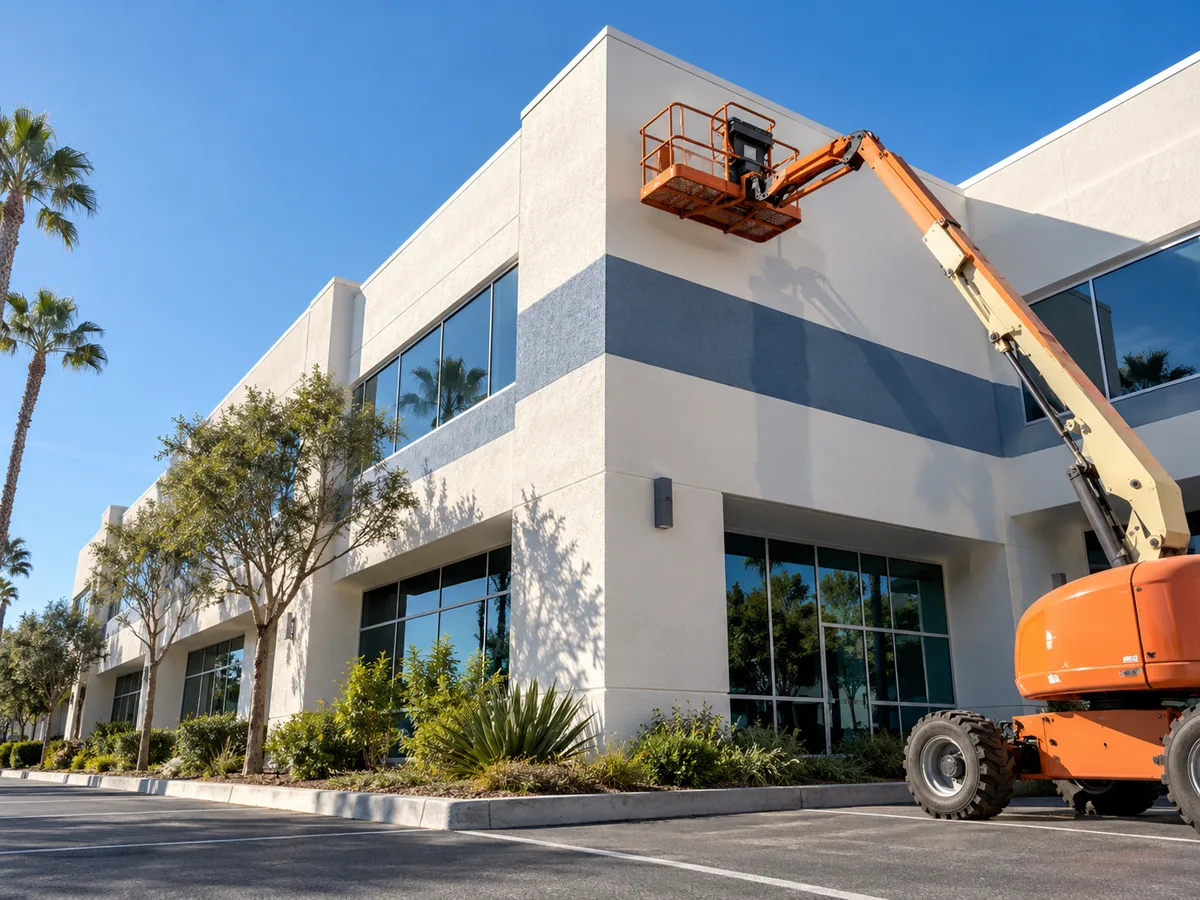
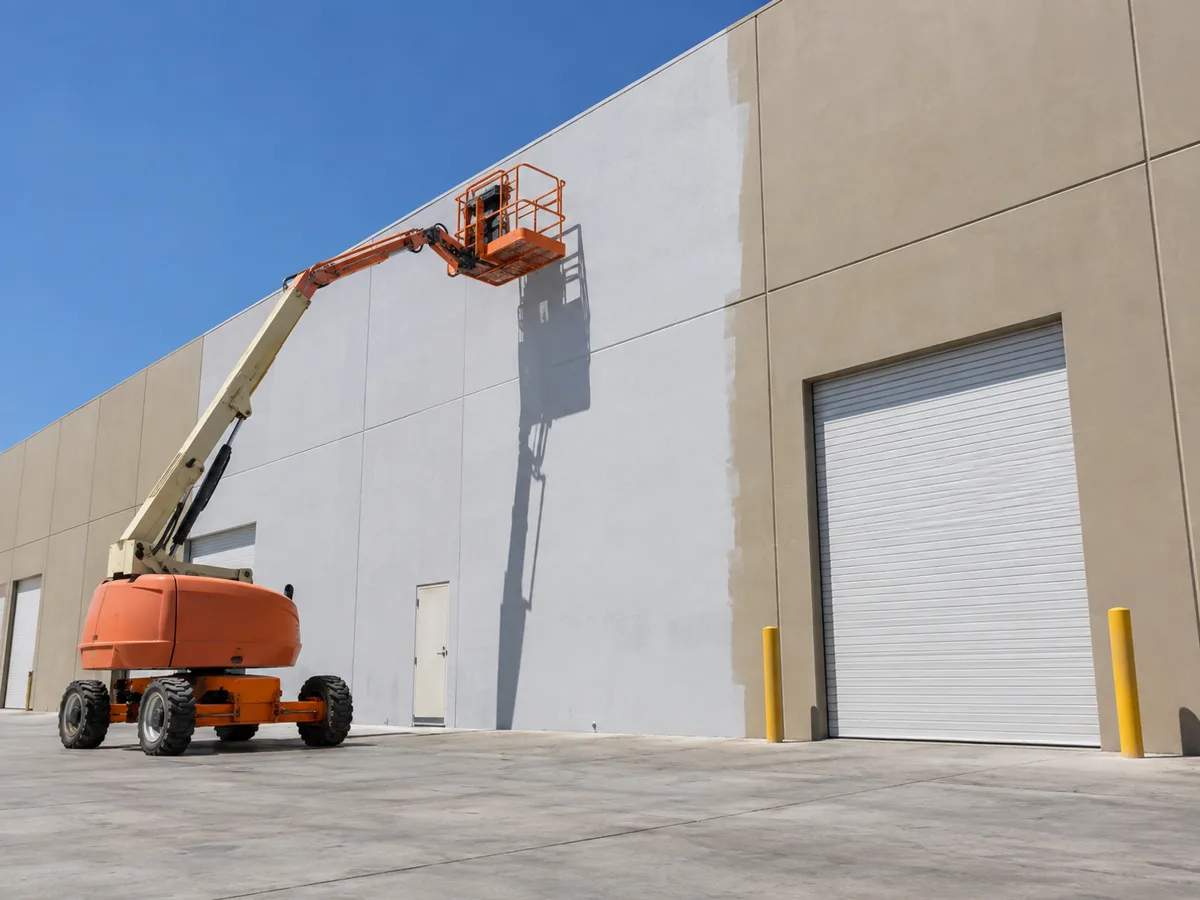
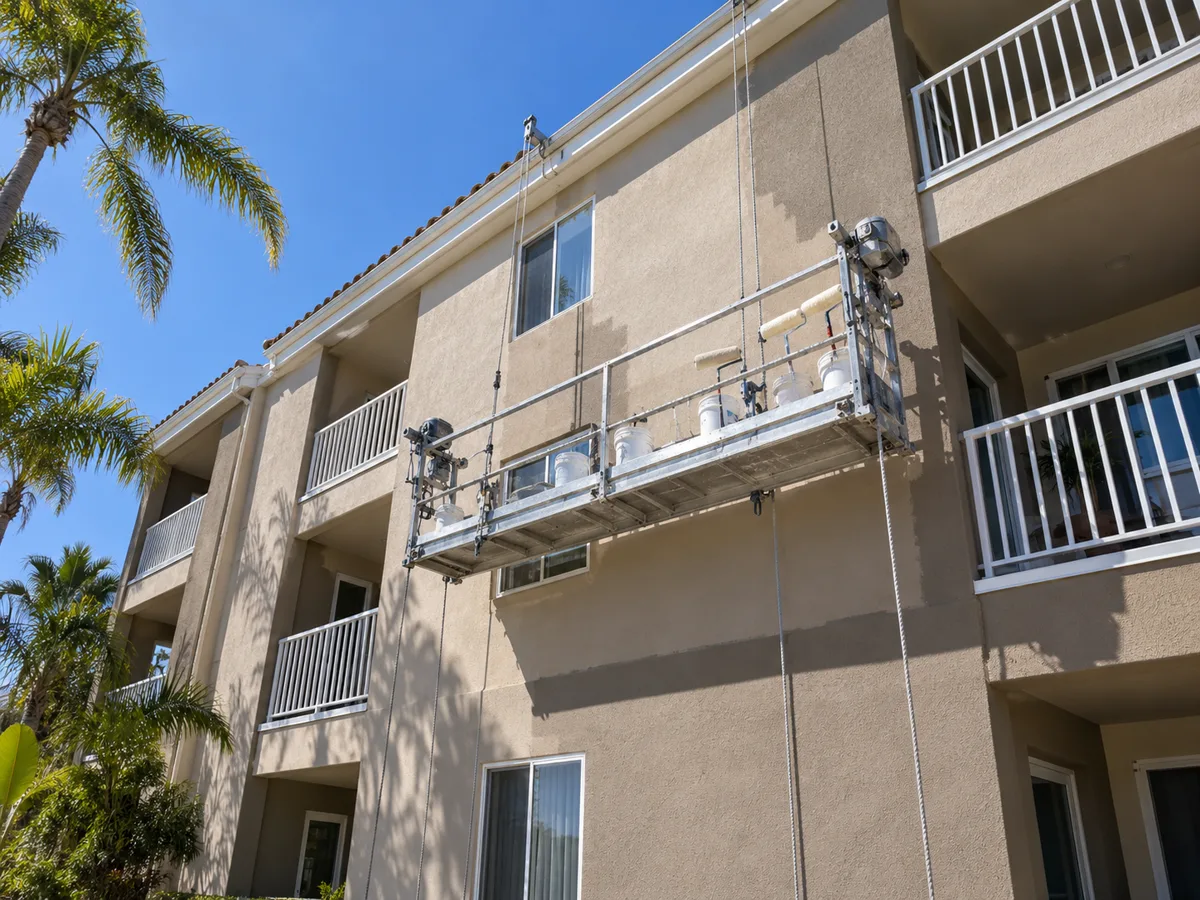
Stucco, fascia, eaves and exterior doors are painted once their surfaces pass the readiness checks, with garage doors and exposed metal coated to their own product data.
After flooring, fixtures and appliances are in, a final coat or touch-up pass repairs the marks other trades leave, and the punch list is walked with the superintendent.
New stucco and new drywall have to be ready before paint, so readiness checks are written into the schedule rather than assumed. Portland cement, the binder in modern stucco, is highly alkaline, and wet cement is caustic; in dry weather fresh stucco is moist-cured, sprayed with water so it keeps moisture while it hardens. Water leaving new masonry can also carry dissolved salts to the face, where they dry as efflorescence, a white crust that paint covers only until it pushes through.
Before primer, our crew measures moisture in the stucco and checks its alkalinity, and the coating goes on only when both readings fall inside the limits printed on the primer's product data sheet. The primer is a masonry primer made for alkaline surfaces, and the curing period that data sheet requires is written into the schedule instead of guessed at on the day.
Drywall gets primer before any finish color. Priming gypsum board is standard practice in new construction because it seals the board against moisture and helps prevent mold, and it hides the difference between joint compound and paper face so seams do not telegraph through the finish.
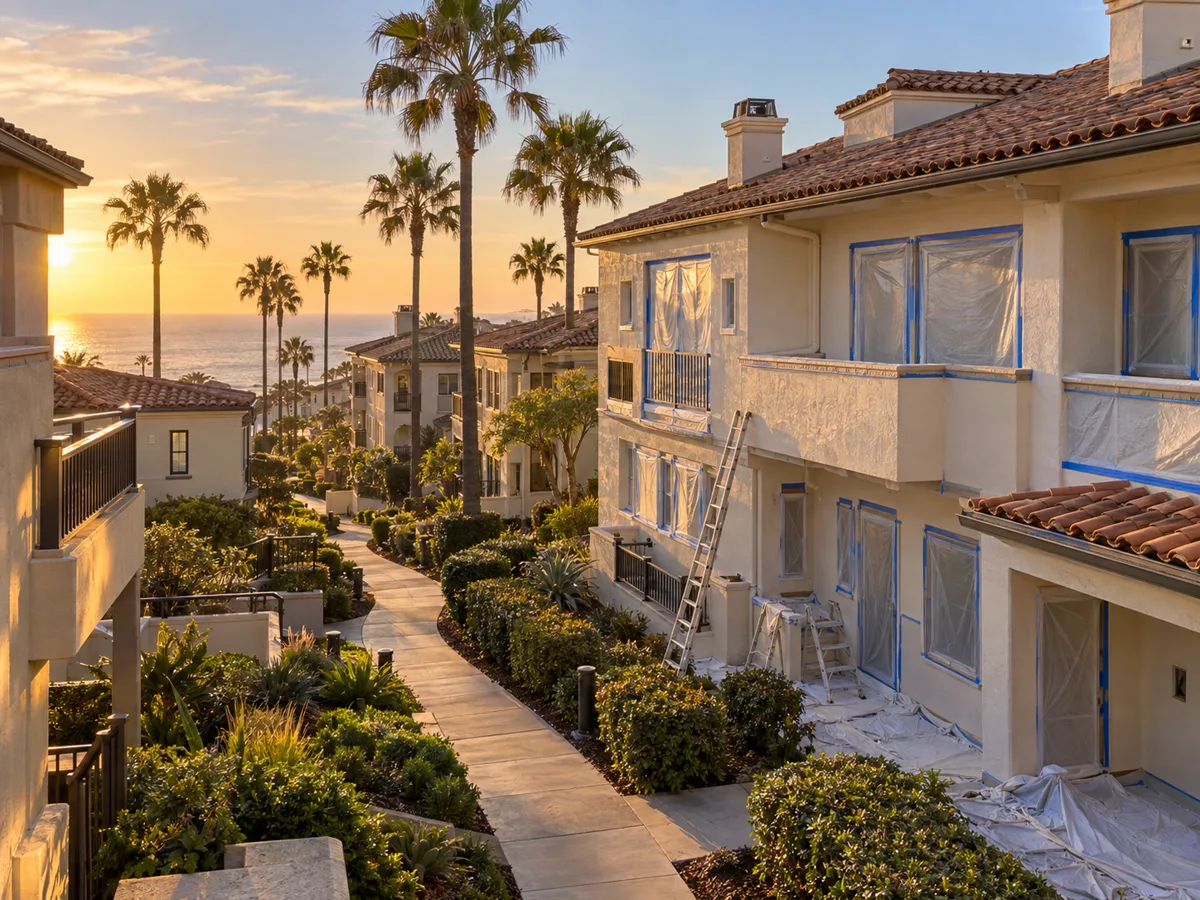
ADUs are small jobs that repeat, so a builder wants one price per plan. California's ADU law, now in Government Code section 66314 and the sections around it, lets an accessory dwelling unit sit inside the main house, including an attached garage, attach to it, or stand detached on the same lot. A detached unit is capped at 1,200 square feet of floor area, an attached one at half the floor area of the existing home, and an ADU may be rented but not sold separately from the primary residence. The state housing department describes local ADU ordinances as having grown exponentially as cities look for more housing.
Torrance suits that work. Much of the city's 1955 to 1965 middle-income housing was single-storey ranch homes with attached garages, and an attached garage is one of the spaces the statute lets an owner convert. A garage conversion has to be painted to sit quietly beside a house built in the post-war boom, while a detached backyard unit is usually a fresh plan on a footprint that repeats from lot to lot.
Painting a new home or ADU in Torrance is typically estimated at roughly $4,000 to $12,000 per home or unit, a budgetary range from our painting ticket bank that a plan takeoff replaces; a builder with repeat plans multiplies one plan price instead of re-bidding every lot. What moves the plan price:
Plan prices here are estimates and subject to change when plans, specifications or site conditions change; the written bid, priced from your drawings, sets the final number. Send the plans, the plan count and the number of lots or units, and we will return a price per plan.
Painting is one of the last trades on site, so its schedule is built from the GC's rather than the other way round. We take the superintendent's schedule, mark the points where drywall, stucco, trim and flooring must be finished before each paint phase, and confirm every mobilization in writing ahead of time.
The schedule also reflects where a lot sits. Infill on the west side of Torrance, nearer its Santa Monica Bay beachfront, sees a morning marine layer that keeps exterior surfaces damp early in the day, so exterior coats on those lots are planned for after the surfaces dry. In Manhattan Beach, a 2010 rule bars new homes from spanning more than two lot parcels, so much of the stock there is large modern infill rising beside old beach cottages, and each of those houses is a plan priced on its own.
The process
Four steps, and nothing is painted until you have approved the scope and the colors.
We walk the house or property with you, look at the stucco, the trim and the old coating, and note what the sun, the salt air and the marine layer have done to each side.
You get the prep, the products, the colors and the dates in writing. For an association or a building, the scope is phased so residents and tenants know which day is theirs.
Washing, scraping, patching and caulking come first, because that is what the paint holds on to. Then primer where it is needed and the finish coats.
We walk it again with you before we call it done, and touch up anything you point at.
Questions
Yes. Send the drawings and the finish schedule, and the bid comes back as a price per plan with the takeoff behind it. If the specifications name products the bid uses them; if not, it proposes a paint system with product data for each coat.
At bidding, not at drywall. Early pricing lets the GC hold a real number in the budget and lets us mark the readiness points in the schedule before it is locked.
Yes. A conversion is primed and painted inside like any new unit, and its exterior is color-matched to the main house from samples taken on site.
Either way. We can supply products to your specification or apply builder-supplied paint, and the bid states which, because it changes the price.
The readiness check comes first. If moisture or alkalinity sits outside the primer's data sheet limits, the exterior phase is moved and the superintendent gets the reason in writing, rather than a primed wall that later fails.
Yes, priced by plan and by building, with each phase confirmed against the GC's schedule. Send the unit count and the plan set with the bid request.
Yes. The final pass repairs marks left by flooring, plumbing and electrical work, and the punch list is walked with the superintendent before turnover.
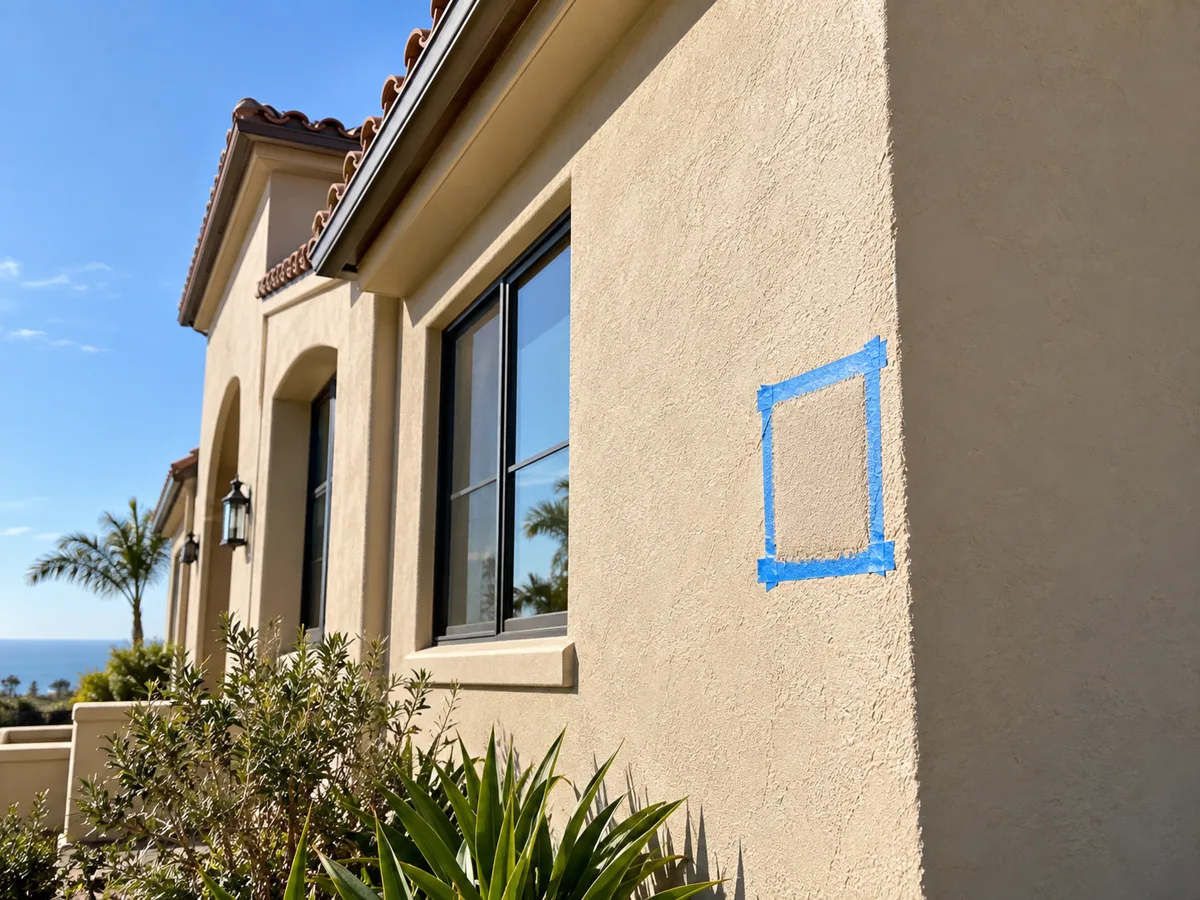
Yes. Colors named by a designer or architect go onto the written schedule with product and sheen, and a sample is painted on site for approval before that phase starts.
Yes. One ADU is bid the same way as a run of them, from the plans, and the bid names each phase the painting falls into so the owner-builder can slot it into the rest of the work.
Homeowners get a free on-site estimate. Boards, managers and contractors can send a scope for a bid.
Licensed, insured and bonded · License #585047. Calls only, we do not receive text messages.