Bedrooms first, or last
Some households want the bedrooms done first so the noisy work is over early. Others want them last so everyone sleeps in a finished room on the final night. Either works, as long as one bedroom stays usable at any point.

Torrance Expert Painting is the trusted Los Angeles County specialist for interior painting in Torrance, CA, specializing in wall and ceiling repaints, drywall repair before paint and sheen chosen room by room. We offer furniture and floor protection and a written room order.
Our team provides lived-in home painting with cleanup at the end of each day, delivering rooms that go back into use as each one is finished for both residential and commercial projects. The crew that walks your rooms is the crew that paints them, and we write a scope naming each room, the patching, the primer and the coat count, then brush out color samples on your own walls for approval before anything is rolled.
From skim coating a wall full of old anchor holes to the final coat on a whole floor plan, our team handles every detail. Serving Torrance along with Redondo Beach, Rolling Hills Estates and Palos Verdes Estates, we keep the house livable while its rooms change color around you.
Why Torrance Expert Painting
No salesperson hands you to a stranger. The person who measures the job answers for it.
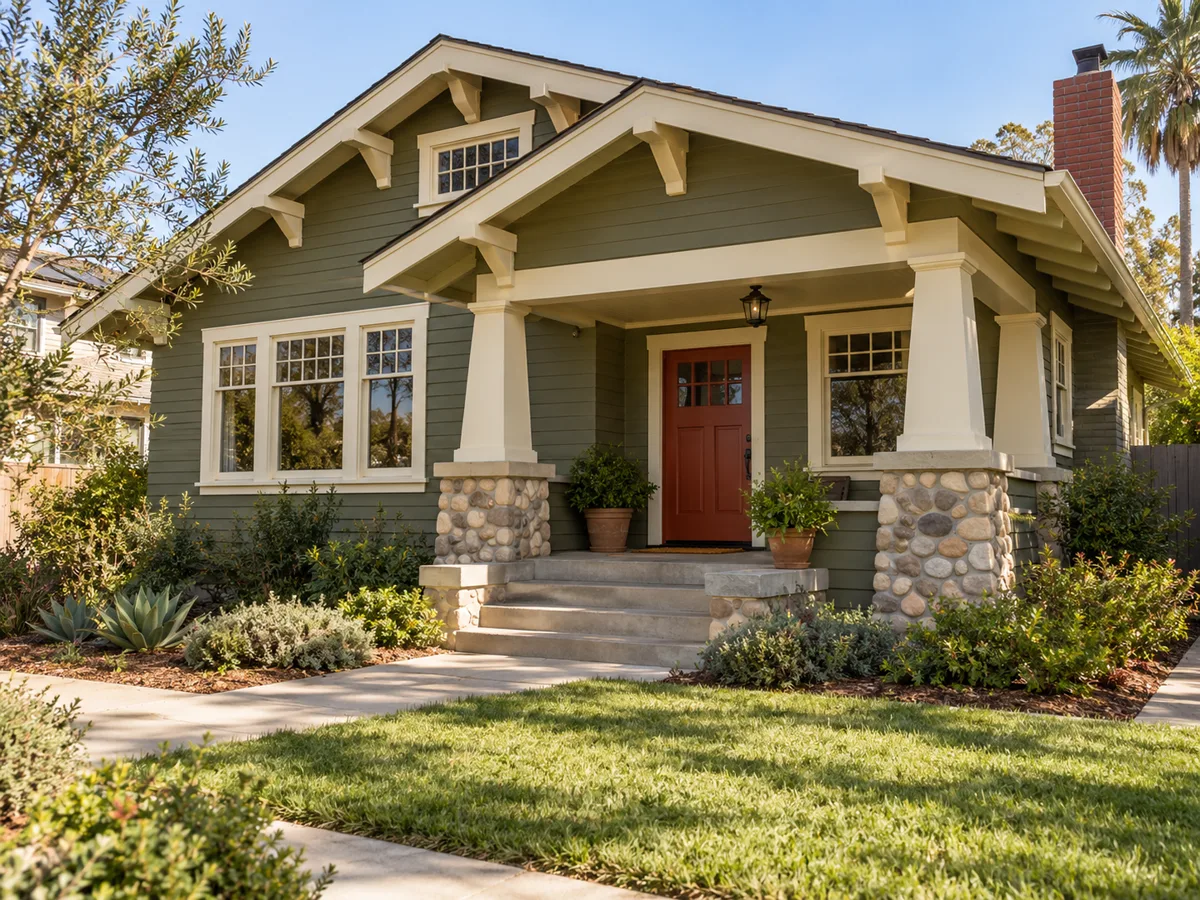
Interior painting in a Torrance home you are still living in is planned as a sequence of rooms, not as one big job, so that the house keeps working while it is being painted. The order is agreed at the walk and written on the estimate, so you know which rooms are out of use and when. Much of Torrance was built as single-storey ranch homes with attached garages during the post-war boom, when developers put up tracts of 200 to 500 houses at a time. That floor plan shapes the schedule: bedrooms usually share one hall, the kitchen opens to the family room, and the attached garage can hold what comes out of a room while it is painted.
Some households want the bedrooms done first so the noisy work is over early. Others want them last so everyone sleeps in a finished room on the final night. Either works, as long as one bedroom stays usable at any point.
These are the rooms a family cannot do without, so they are painted when they are needed least, with fixtures masked rather than removed. A bathroom is never taken out of service while it is the only one in the house.
Hallways carry every trip between rooms, so they are painted once the rooms on either side are finished and the traffic has somewhere else to go.
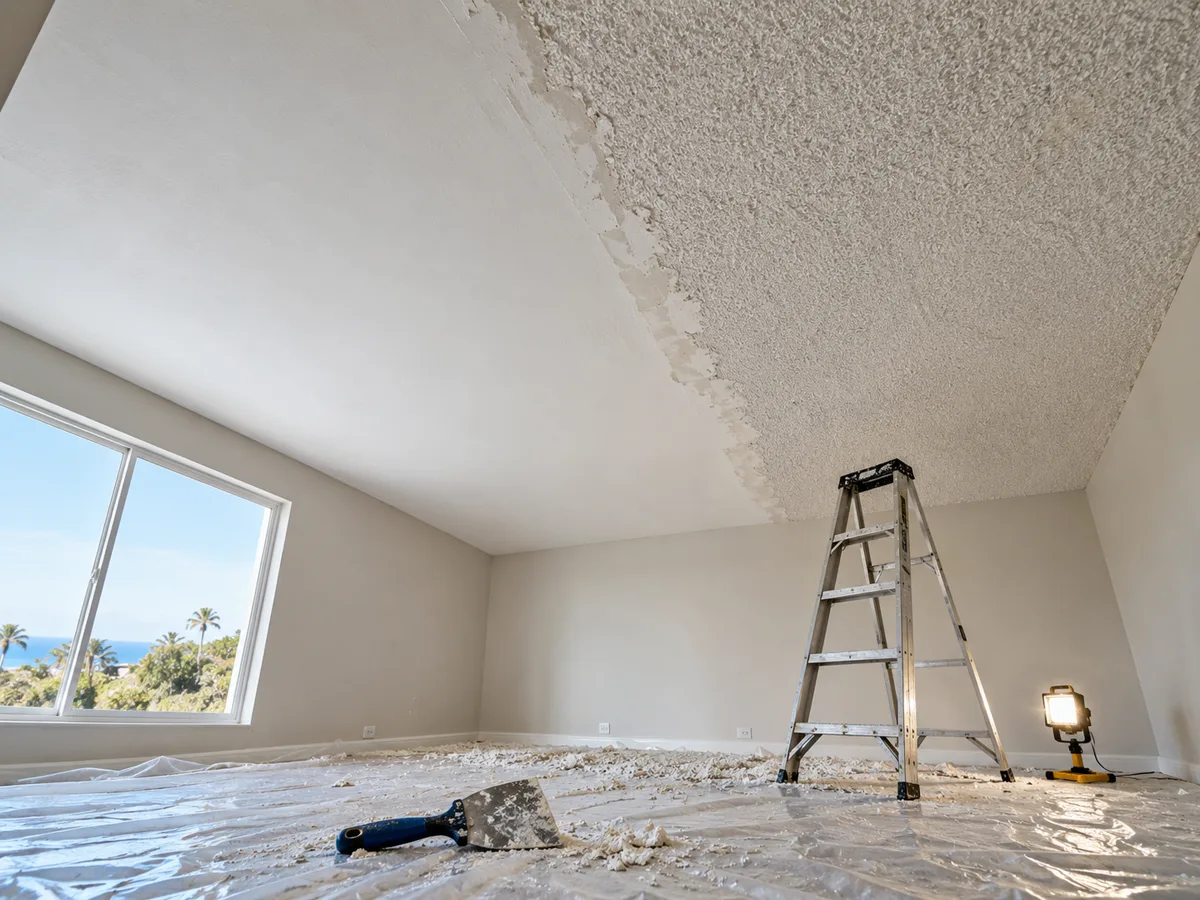
Inside each room the ceiling is painted first, then the walls, then the trim, so drips and roller spray only ever land on surfaces that have not been painted yet.
Wall repair is part of an interior painting scope in Torrance, because fresh paint makes every dent, nail pop and old anchor hole easier to see, not harder. We list the repairs room by room on the estimate rather than discovering them halfway through.
Joint compound is a gypsum paste spread over drywall and sanded to give a seamless base for paint on walls and ceilings. Cracked tape seams, holes from picture hooks and the outline of a removed shelf are filled, sanded and spot primed before the first full coat.
Drywall is finished on a scale from level 0, not finished at all, to level 5, the most pristine. Where a wall has been patched so often that the repairs show through paint, the whole surface can be given a skim coat, a thin layer of finishing compound that evens out the paper and the mudded areas.
Primer improves the adhesion of paint and seals porous surfaces such as bare drywall and fresh patches. Raw compound left unprimed drinks the topcoat and shows as a dull patch, which is why patched areas are primed even when the walls are not.
About three quarters of American homes built before 1978 still hold some lead-based paint, and joint compound made before 1977 often contained asbestos. In a 1950s or 1960s Torrance house, sanding old patches and old trim is planned with that in mind: work areas are closed off, dust is kept down, and cleanup follows lead-safe work practices.
Sheen is chosen by how a room is used, flatter where you sit and sleep and tougher where hands, steam and shoes are. Sheen is the amount of light a finish reflects, and it comes mainly from the ratio of binder to pigment: more binder gives a smoother, shinier, more washable film.
Flat paint hides surface imperfections and is a common choice for adult bedrooms, formal living rooms, ceilings and uneven walls. It has a useful trait in a lived-in house: a flat wall can usually be touched up in one spot without repainting the whole surface.
Satin and eggshell wash more easily and stand up to the nicks and scuffs of hallways, family rooms and children's bedrooms, where a flat wall would mark.
Semi-gloss is easy to clean and suits kitchens, bathrooms and utility rooms, where walls get wiped down. Glossier finishes also show every flaw under them, so the prep on those walls is held to a higher standard.
Sheen names such as eggshell, satin and pearl are not standardized, and not every manufacturer uses every term. We sample the actual product and sheen on your wall so you judge the finish itself rather than a word on a can.
Interior painting in Torrance is typically estimated at roughly $1,000 to $12,000, from a single room at the low end to a whole home with ceilings and trim at the high end. That range is a regional estimate, not a quote for your house, and the walk is where your number comes from.
These figures are estimates, they are subject to change with what the walk finds, and the written quote you receive after we see the rooms sets the final price.
Protecting a lived-in house is most of what separates a careful interior repaint from a messy one, so the protection is described in the scope just like the paint. Furniture is moved to the middle of each room and covered, or carried out to the garage if you prefer, and returned when the room is finished.
Odor and air quality matter more when people are living in the house. South Coast AQMD Rule 1113 limits the volatile organic content of architectural coatings sold and used in this region, and the industry has been shifting toward water-based paints. We name the products on the estimate so you can read their data sheets before the work starts.
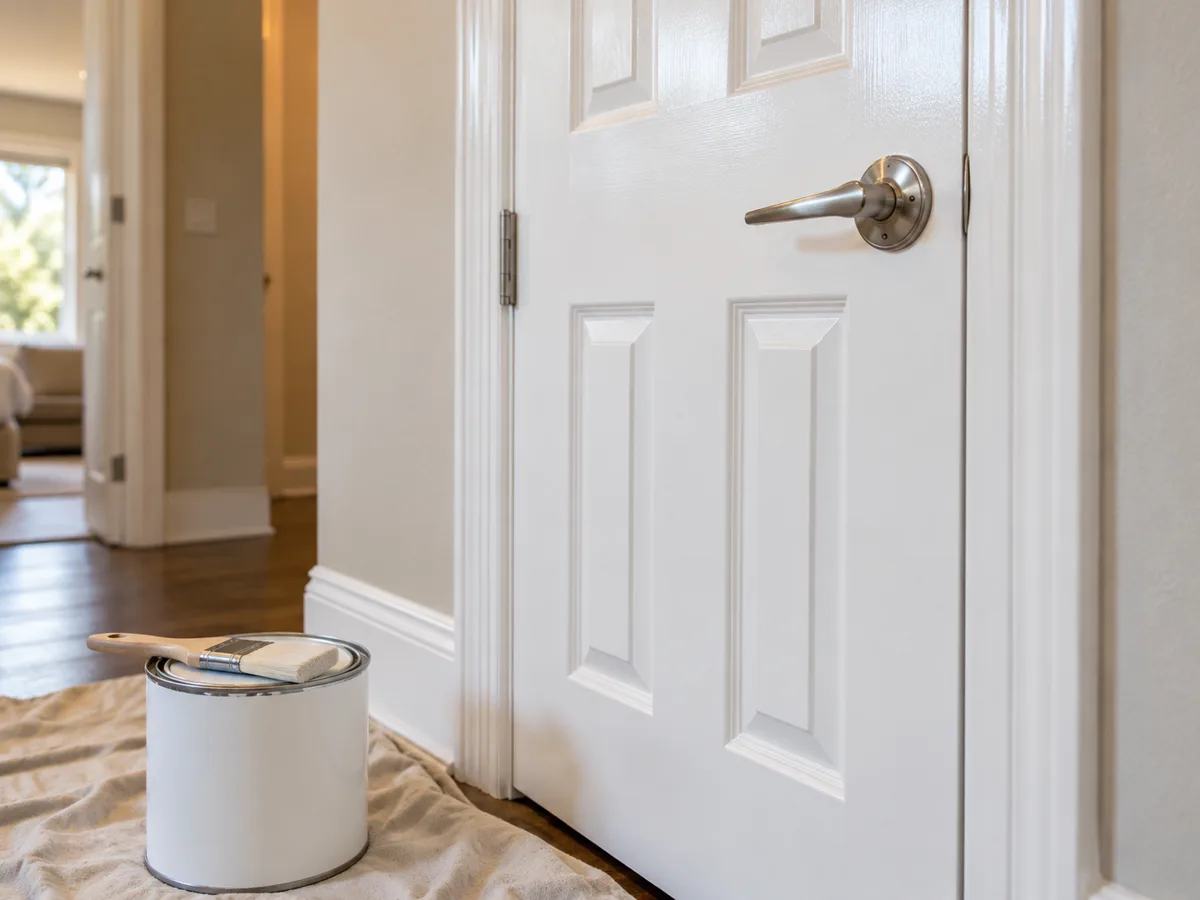
The same room-by-room approach carries over to condominiums, rented homes and small offices in Torrance. Interior color inside a condominium unit is usually left to the owner, since association color rules are typically written for exteriors, though the CC&Rs are worth checking first. A small office or medical suite needs its own sequencing around staff and patients, which is handled on our office and medical painting page, and an apartment between residents is a unit turn, which has a page of its own.
The process
Four steps, and nothing is painted until you have approved the scope and the colors.
We walk the house or property with you, look at the stucco, the trim and the old coating, and note what the sun, the salt air and the marine layer have done to each side.
You get the prep, the products, the colors and the dates in writing. For an association or a building, the scope is phased so residents and tenants know which day is theirs.
Washing, scraping, patching and caulking come first, because that is what the paint holds on to. Then primer where it is needed and the finish coats.
We walk it again with you before we call it done, and touch up anything you point at.
Service area
Questions
No, most families stay in the house while it is painted. The rooms are done in a written order so a bedroom, the kitchen and a bathroom stay in use, and each work area is cleaned at the end of the day.
Yes. A single bedroom or a living room is a common interior job in Torrance, and it is priced from the same walk and written estimate as a whole house.
Repairs are listed on the estimate room by room, so you can see what is included before you approve it. Small patches are normal prep, while skim coating a whole wall is called out as its own line.
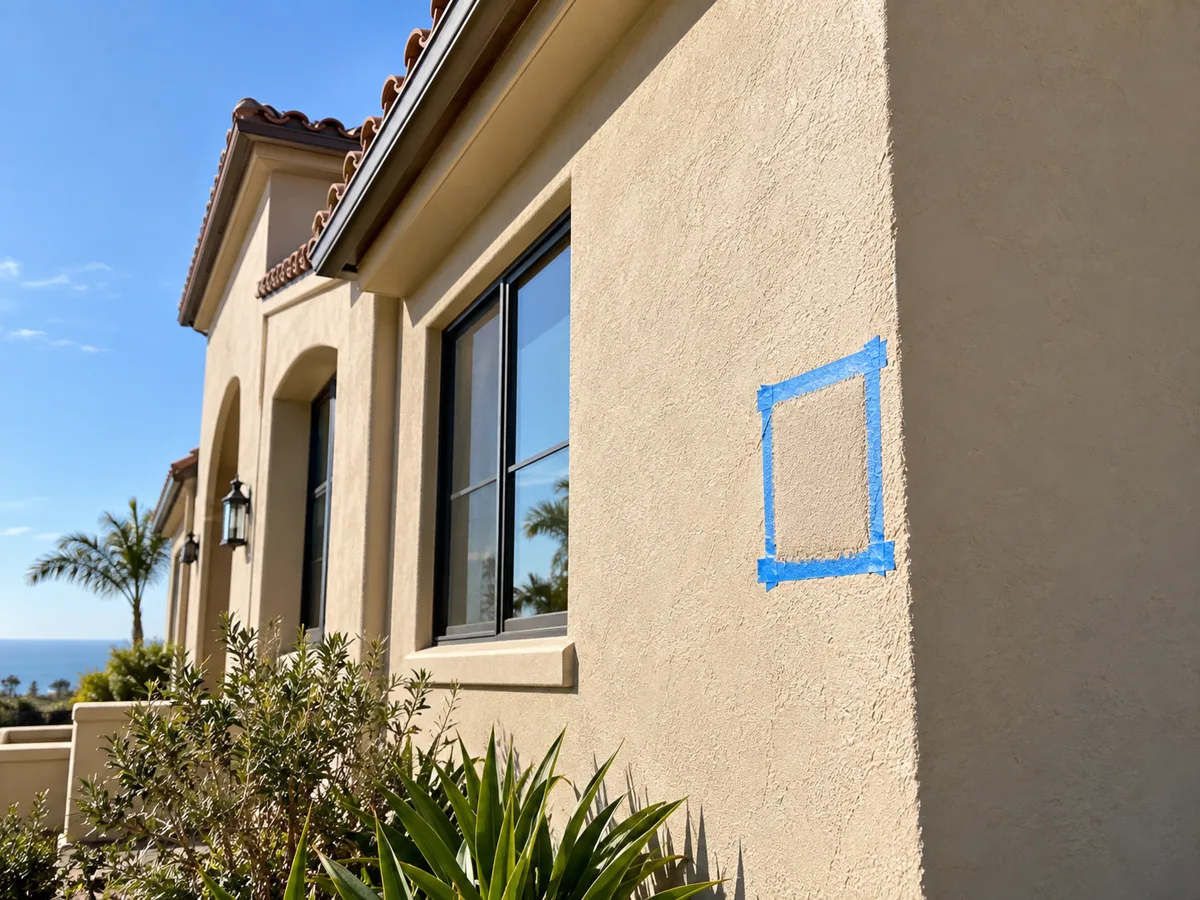
You choose from your paint store's fan deck or a designer's palette, and we paint samples of the actual product and sheen on your walls so you can see them in your own light at different times of day before approving anything.
It can be, because most homes built before 1978 still have some lead-based paint under the newer coats. Paint that is intact and only rolled over is a different matter from paint that will be sanded or scraped, and the estimate says which surfaces are which and how the work on them is contained.
Yes. Furniture is moved to the center of the room and covered, or carried out to the garage, and put back when the room is done. Fragile pieces and electronics are best packed by you before the start date.
It depends on the number of rooms, the repairs and the furniture, so the start date and the expected length are written on the estimate after the walk rather than guessed here.
Usually, yes. Ceilings are painted first, then walls, then baseboards and casings, so every room is finished in one pass. If you only want the walls done, the estimate can leave ceilings and trim out.
Homeowners get a free on-site estimate. Boards, managers and contractors can send a scope for a bid.
Licensed, insured and bonded · License #585047. Calls only, we do not receive text messages.